Affiliate Disclosure: This article contains Amazon affiliate links (tag: seperts-20). If you click a link and make a qualifying purchase, HomeVibed may earn a small commission at no extra cost to you. Our editorial opinions are independent of affiliate compensation. Full disclosure →
How to Layer Rugs Like an Interior Designer: The Complete 2024 Guide to Adding Depth & Style
This article contains Amazon affiliate links. If you purchase through them, HomeVibed earns a small commission at no extra cost to you.
How to Layer Rugs Like an Interior Designer: The Complete 2024 Guide to Adding Depth & Style
Layering rugs is defined as the strategic placement of two or more area rugs, one on top of another, to create visual interest, define zones, add warmth, and introduce texture and pattern into a room. This design technique allows homeowners to combine different styles, sizes, and materials to achieve a sophisticated, custom look that enhances comfort and elevates their living spaces.
Table of Contents
- Why Layer Rugs? Beyond Just Aesthetics
- Choosing Your Foundation: The Base Rug
- Selecting Your Top Layer: The Accent Rug
- Mastering the Art of Placement: Layouts & Proportions
- Design Principles for Flawless Layering
- Practical Considerations for Layered Rugs
- Case Studies: Layered Rug Success Stories
Why Layer Rugs? Beyond Just Aesthetics
Layering rugs is a design technique that has moved from niche interior design circles to mainstream home decor, and for good reason. It's not just about piling rugs on top of each other; it's a thoughtful approach to enhancing a room's functionality, comfort, and visual appeal. For homeowners looking to add personality and depth to their spaces, understanding how to layer rugs effectively can be a game-changer. This method allows you to break free from the limitations of a single rug and create a more dynamic and inviting environment.
Adding Depth and Dimension
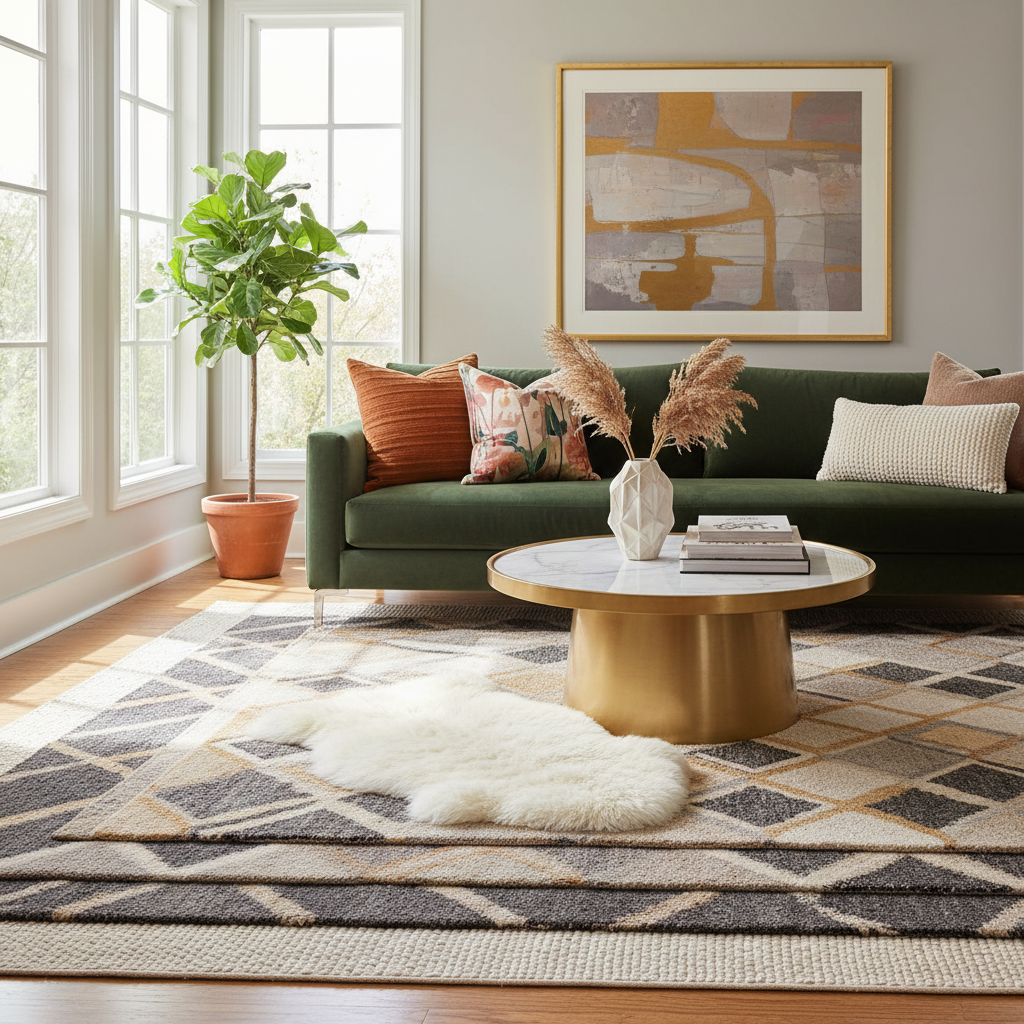
A single rug, no matter how beautiful, can sometimes fall flat in a large room. Layering introduces multiple planes and textures, immediately creating a sense of depth. Imagine a large, neutral jute rug grounding a space, topped with a smaller, intricately patterned wool rug. The contrast in texture and pattern draws the eye, making the floor a focal point rather than just a surface. This added dimension makes a room feel more curated and less one-dimensional, much like adding throw pillows and blankets to a sofa elevates its comfort and style. It's about building visual interest from the ground up, giving your space a sophisticated, multi-layered look that feels professionally designed.
Defining Zones in Open-Concept Spaces
Open-concept living has its advantages, but it can sometimes feel sprawling and undefined. Layering rugs is an excellent way to subtly delineate different functional areas without the need for walls or heavy furniture. For example, a large sisal rug can anchor the entire living area, while a smaller, plush rug placed under a coffee table and sofa can clearly mark the conversation zone. In a combined living and dining space, a large rug might encompass both areas, with a smaller, distinct rug under the dining table to define the eating zone. This technique helps create intimate "rooms" within a larger space, making each area feel purposeful and cozy. It’s a smart solution for optimizing flow while maintaining distinct functionalities.
Injecting Texture, Pattern, and Color
Rugs are powerful tools for introducing texture, pattern, and color into a room, and layering amplifies this potential. Perhaps you love the durability of a natural fiber rug but crave the softness and intricate pattern of a vintage Persian. Layering allows you to have both. You can combine a solid-colored base rug with a patterned top rug, or mix a high-pile shag with a flat-weave kilim. This interplay of different elements adds visual richness and tactile appeal. It’s an opportunity to express your personal style, whether you prefer bold contrasts or subtle, harmonious blends. Think of it as painting with textiles, using different brushes and colors to create a masterpiece on your floor.
Enhancing Comfort and Warmth
Beyond aesthetics, layered rugs significantly boost comfort and warmth. A thick, plush rug on top of a larger, durable base provides an extra layer of cushioning underfoot, making a room feel more luxurious and inviting. This is especially beneficial in bedrooms or living rooms where comfort is paramount. For homes with hard flooring like concrete, tile, or hardwood, layering rugs can dramatically reduce coldness and improve insulation, contributing to a cozier atmosphere. The added textile layers also help absorb sound, reducing echoes and making the room feel quieter and more peaceful. It’s a practical way to make your home feel more welcoming and comfortable, especially during colder months.
Protecting Floors and Extending Rug Life
Layering rugs isn't just about style; it's also about practicality and preservation. The base rug acts as a protective barrier, shielding your original flooring from wear and tear, scratches, and spills. This is particularly valuable in high-traffic areas or homes with children and pets. Furthermore, layering can extend the life of your more delicate or expensive top rug. By having a larger, more durable base rug absorb the brunt of foot traffic and furniture movement, your accent rug experiences less direct wear. It's a smart investment strategy, allowing you to enjoy beautiful, high-quality rugs for longer while keeping your underlying floors pristine.
🏠 Recommended Product: Better Homes & Gardens Woven Rug This versatile woven rug serves as an excellent foundational piece for layering, offering durability and a neutral texture that pairs well with almost any accent rug. Buy on Amazon: Better Homes & Gardens Woven Rug
Choosing Your Foundation: The Base Rug
The base rug is the unsung hero of any layered rug arrangement. It's the anchor, the canvas upon which your design vision will unfold. Selecting the right foundation is crucial, as it dictates the overall scale, texture, and often, the color palette of your layered look. Think of it as the bedrock of your room's comfort and style. A well-chosen base rug provides stability, defines the primary area, and allows your accent rug to truly shine. Without a strong foundation, the layered effect can feel disjointed or unstable.
Size Matters: Anchoring Your Space
The most critical aspect of your base rug is its size. It should be large enough to define the entire seating area or room, ensuring that at least the front legs of all major furniture pieces rest on it. For a living room, this often means a 8x10 foot or 9x12 foot rug. In a dining room, the rug should extend at least 24 inches beyond the chairs on all sides when pulled out, typically requiring a 8x10 or larger. A common mistake is choosing a base rug that is too small, which can make the room feel cramped and the furniture float awkwardly. The base rug should visually anchor the space, creating a cohesive and well-proportioned foundation for everything else. Measure your room and furniture carefully to determine the ideal dimensions.
Material & Texture: Durability and Understated Elegance
For the base rug, durability and an understated texture are key. Natural fibers like jute, sisal, seagrass, or wool are excellent choices. They offer a robust, often flat-weave construction that can withstand heavy foot traffic and provide a stable surface for the top rug.
- Jute and Sisal: Known for their earthy textures and natural tones, these are incredibly durable and add an organic, relaxed feel. They are perfect for high-traffic areas and provide a neutral backdrop.
- Wool: A classic choice, wool rugs are soft, durable, and naturally stain-resistant. A low-pile wool rug can offer a sophisticated, comfortable foundation.
- Cotton (flat-weave): More casual, cotton flat-weaves are often washable and come in a variety of solid colors, offering a softer base than jute. The goal is to choose a material that complements your overall decor without competing with the top rug. A neutral, textured base allows the accent rug to be the star.
Color Palette: The Grounding Neutral
The base rug typically serves as the grounding neutral in your layered arrangement. Opt for solid, muted colors or subtle patterns that won't overwhelm the space or clash with your top rug. Shades of cream, beige, taupe, light gray, or natural browns are popular choices. These colors create a serene backdrop, allowing your accent rug to introduce pops of color or intricate patterns. While a bold base rug can work, it requires a more advanced eye and careful consideration of the top rug's design to avoid visual chaos. For most homeowners, a neutral base provides the most flexibility and ensures a harmonious layered look. Consider the existing colors in your room – walls, furniture, drapes – and choose a base rug that ties them together without drawing too much attention to itself.
Selecting Your Top Layer: The Accent Rug
Once your foundational base rug is in place, the real fun begins: choosing the accent rug. This is where you inject personality, introduce captivating patterns, vibrant colors, and luxurious textures. The accent rug is the focal point, the jewel that sits atop your sturdy base, drawing the eye and tying your room's aesthetic together. It's an opportunity to be bolder, more expressive, and to truly reflect your unique design style.
Size and Proportion: The "Frame" Effect
The accent rug should be significantly smaller than the base rug, creating a "frame" effect. A good rule of thumb is for the accent rug to be at least 18-24 inches smaller on each side than the base rug. For example, if your base rug is an 8x10, your accent rug might be a 5x7 or 6x9. This proportion ensures that the base rug is clearly visible, providing that coveted layered look without overwhelming the space. The accent rug should be centered within the base rug, or strategically placed to define a specific seating arrangement, such as under a coffee table or in front of a fireplace. It should feel intentional, not just haphazardly placed.
Texture and Pile: Creating Contrast and Comfort
This is where you can truly play with tactile appeal. While your base rug might be a flat-weave jute, your accent rug can be a plush, high-pile shag, a soft sheepskin, a vintage wool, or a silky viscose. The contrast in texture is key to a successful layered look.
- High-Pile: Shags, flokatis, and thick wool rugs add incredible softness and warmth.
- Vintage/Distressed: Persian, Oushak, or Turkish rugs with a low pile and worn-in feel bring history and character.
- Faux Fur/Sheepskin: These add a touch of luxury and comfort, often used in smaller sizes for specific seating areas.
- Kilim/Boucherouite: Flat-weave rugs with vibrant patterns provide a bohemian or global aesthetic. Consider how the textures will feel underfoot and how they visually interact. A smooth base with a shaggy top creates a delightful juxtaposition.
Pattern and Color: The Personality Statement
The accent rug is your chance to introduce bold patterns, rich colors, or intricate designs. This is where your personal style can truly shine.
- Pattern Play: If your base rug is solid, you have free rein with patterns – geometric, floral, abstract, tribal. Ensure the pattern scale is appropriate for the rug size and the room.
- Color Pop: Use the accent rug to introduce a key color from your room's palette, or to add a contrasting hue for visual excitement. A neutral base allows for a vibrant accent rug to truly pop.
- Subtle Harmony: Alternatively, you can choose an accent rug with a subtle pattern and a slightly darker or lighter shade of your base rug's color for a more monochromatic, sophisticated layered look. When combining patterns, ensure there's enough difference in scale or style to prevent them from clashing. For instance, a large-scale geometric base with a small-scale floral top can work, but two similar-scale busy patterns might create visual noise. The goal is to create a cohesive yet dynamic visual story.
Mastering the Art of Placement: Layouts & Proportions
Once you've chosen your base and accent rugs, the next crucial step is mastering their placement. This isn't just about throwing them down; it's about strategic positioning that enhances the room's flow, defines zones, and creates a visually appealing composition. The way you arrange your layered rugs can dramatically alter the perception of space, making a room feel larger, cozier, or more structured. Precision in placement is what truly elevates a layered rug look from good to designer-level.
Centering and Off-Centering: The Visual Anchor
The most common approach for layering rugs is to center the accent rug precisely on top of the base rug. This creates a balanced, symmetrical look that is often ideal for formal living rooms or under dining tables. The accent rug typically centers around a coffee table, ottoman, or the main seating arrangement.
However, don't be afraid to experiment with off-centering for a more dynamic, modern, or bohemian feel. An off-centered accent rug can be particularly effective when defining a smaller sub-zone within a larger area, such as a reading nook in a living room, or to highlight a specific piece of furniture like an armchair. When off-centering, ensure it looks intentional, not accidental. You might align one edge of the accent rug with a piece of furniture or a wall to maintain a sense of order.
Defining Zones with Layered Rugs
As discussed, layered rugs are excellent for defining zones in open-concept spaces. Here’s how to approach it with placement:
- Living Room: The large base rug should anchor the entire seating arrangement, with at least the front legs of the sofa and accent chairs on it. The smaller accent rug can then be placed centrally under the coffee table, ensuring it extends beyond the table's edges to encompass the main conversational area. This clearly delineates the "living" zone from other parts of an open floor plan.
- Bedroom: A large base rug can extend under the entire bed and nightstands. A smaller, plush accent rug can then be placed at the foot of the bed or to one side, perhaps under a chaise lounge or bench, creating a soft landing spot and a distinct relaxation zone.
- Dining Room: The base rug should be large enough so that dining chairs remain on it even when pulled out. A smaller, perhaps more decorative, accent rug could be placed directly under the dining table, adding a touch of elegance and further defining the eating area. In this scenario, ensure the top rug is durable and easy to clean.
Creating Pathways and Flow
Consider how people move through your space. Layered rugs can help guide foot traffic or create a sense of flow. For instance, in a long hallway, you might layer a smaller, patterned runner on top of a larger, solid runner to add interest and break up the length. In a living room, ensure that the placement of your layered rugs doesn't obstruct natural pathways. The base rug should extend far enough that people aren't constantly stepping off and onto it when moving around the furniture. The accent rug should enhance the central gathering spot without impeding access to other areas. Think about the overall geometry of your room and how the rugs can complement or contrast with it to create a harmonious and functional layout.
🏠 Recommended Product: Mkono Macrame Wall Hanging While not a rug, this macrame piece introduces a beautiful, soft texture and bohemian aesthetic that often complements layered rug styles, especially those featuring natural fibers and global patterns. Buy on Amazon: Mkono Macrame Wall Hanging
Design Principles for Flawless Layering
Layering rugs isn't just about throwing two rugs together; it's about applying fundamental design principles to create a cohesive, visually appealing, and harmonious arrangement. Interior designers understand that successful layering relies on a thoughtful balance of contrast, harmony, and intention. By understanding these principles, homeowners can move beyond basic placement and create a truly sophisticated look that enhances their entire space.
Contrast is Key: Texture, Pattern, and Pile Height
The most impactful layered rug designs often leverage contrast. This doesn't mean clashing, but rather creating a dynamic interplay between different elements.
- Texture Contrast: Pair a rough, flat-weave jute or sisal base rug with a soft, high-pile wool, shag, or faux fur accent rug. The tactile difference is visually interesting and adds comfort.
- Pattern Contrast: If your base rug is a solid neutral, your accent rug is the perfect place to introduce a bold pattern—geometric, floral, abstract, or tribal. If your base rug has a subtle pattern (e.g., a tone-on-tone stripe), choose an accent rug with a distinctly different pattern scale or style. Avoid two equally busy patterns of similar scale, which can create visual noise.
- Pile Height Contrast: A low-pile base rug (like a flat-weave or short-pile wool) underneath a medium-to-high pile accent rug creates a beautiful dimensional effect. This physical difference makes the layering more apparent and luxurious. The key is to ensure enough difference between the two rugs so they don't blend into one, but rather complement each other.
Harmonizing Colors and Tones
While contrast is important for texture and pattern, color harmony is crucial for a cohesive look.
- Complementary Colors: Choose an accent rug that shares at least one color with the base rug, or with other elements in the room (e.g., throw pillows, artwork, curtains). This creates a visual thread that ties the layers together.
- Monochromatic Schemes: For a subtle, sophisticated look, layer rugs in varying shades of the same color (e.g., a light gray base with a charcoal gray accent, or a cream base with a beige accent). This creates depth without strong color contrast.
- Pop of Color: A neutral base rug provides an excellent canvas for a vibrant accent rug that introduces a bold color. Ensure this pop of color is repeated elsewhere in the room (e.g., in a vase, a book cover, or a small piece of art) to make it feel intentional.
- Warm and Cool Tones: Consider the overall temperature of your room. A warm-toned base (like a natural jute) can be paired with a cool-toned accent (like a blue-grey vintage rug) for an interesting dynamic, or kept consistent for a more serene feel. The goal is for the colors to feel intentional and part of a larger design story, not random.
The Power of Repetition and Balance
Repetition and balance are subtle yet powerful design principles that elevate layered rug arrangements.
- Repetition: If your accent rug has a particular color or motif, subtly repeat that color or motif in other elements of the room—a throw pillow, a piece of pottery, or even a book on a shelf. This creates a sense of unity and makes the rug feel integrated into the overall design.
- Visual Weight: Consider the visual weight of each rug. A dark, heavily patterned rug has more visual weight than a light, solid one. Ensure the overall composition feels balanced. If your accent rug is very bold, balance it with a simple, neutral base and perhaps fewer decorative elements elsewhere in the room.
- Symmetry vs. Asymmetry: While centering is common, an asymmetrical arrangement can work if balanced by other elements in the room. For example, if your accent rug is off-center, a large floor lamp or a tall plant on the opposite side can re-establish balance. Ultimately, a well-layered rug setup feels balanced and thoughtfully composed, contributing to the overall harmony of your space. It should feel like a natural extension of your room's design, not an afterthought.
Case Study: Modern Farmhouse Living Room — Before/After
Before: A large, solid beige area rug covered most of the living room floor. While functional, it felt a bit bland and didn't fully define the seating area in the open-concept space. The room lacked visual interest on the floor.
After:
- Base Rug: A 9x12 foot natural jute rug was laid down, extending under the front legs of the sofa, two armchairs, and the console table behind the sofa. This immediately added an organic texture and grounded the entire living zone.
- Accent Rug: A 6x9 foot vintage-inspired distressed Persian-style rug in shades of muted blue, cream, and rust was centered over the jute rug, placed directly under the coffee table.
- Result: The room was transformed. The jute provided a durable, earthy foundation, while the Persian-style rug introduced a soft texture, intricate pattern, and a pop of color that tied into the room's existing throw pillows and artwork. The layered rugs clearly defined the seating area, making the open-concept space feel cozier and more intentional. The contrast in texture and pattern added significant depth and visual interest, elevating the modern farmhouse aesthetic.
Practical Considerations for Layered Rugs
Beyond the aesthetics, there are several practical considerations that homeowners must address when learning how to layer rugs. These factors ensure that your beautiful layered arrangement is not only stylish but also safe, functional, and easy to maintain. Ignoring these practicalities can lead to rugs that slip, bunch, or become a tripping hazard, undermining the entire design effort. A well-designed space is one that is both beautiful and livable.
Preventing Slips and Bunching: The Importance of Rug Pads
This is arguably the most critical practical consideration. Layering rugs without proper rug pads is an invitation for slips, trips, and constant readjustment.
- For the Base Rug: A high-quality non-slip rug pad should always be placed under your base rug, especially if it's on a hard surface like hardwood, tile, or laminate. Choose a pad that is slightly smaller than the rug (about 1 inch shorter on each side) to prevent it from showing. Look for pads made of natural rubber or felt and rubber combinations, which offer excellent grip and cushioning.
- For the Top Rug: If your accent rug is prone to slipping on the base rug (which is common, especially with flat-weaves on natural fibers), you'll need a thin, non-slip rug pad between the two. These are often thinner, adhesive-backed pads or mesh grippers specifically designed for rug-on-rug applications. Alternatively, some designers use double-sided carpet tape, but this can sometimes leave residue or damage the rugs. The goal is to create a secure, stable surface for both layers.
Cleaning and Maintenance: Keeping Layers Pristine
Layering rugs means twice the cleaning, but it doesn't have to be a nightmare.
- Regular Vacuuming: Both rugs should be vacuumed regularly. For the top rug, use a vacuum with adjustable height settings or a hand-held attachment to avoid damaging delicate fibers or fringe. For the base rug, a standard vacuum works well.
- Spot Cleaning: Address spills immediately on both rugs. Keep appropriate cleaning solutions on hand for the specific materials of your rugs (e.g., wool cleaner, natural fiber cleaner).
- Deep Cleaning: Periodically, both rugs will need a deeper clean. The smaller accent rug might be sent out for professional cleaning more frequently, especially if it's a delicate material. Larger base rugs may require professional cleaning in place or rolled up and taken out.
- Rotation: If possible, rotate your rugs periodically to ensure even wear, especially in high-traffic areas. Consider the cleanability of your chosen materials, especially for the top rug, which will likely see more direct traffic and spills.
Managing Thickness and Door Clearance
When layering rugs, you're significantly increasing the overall pile height. This can pose challenges, particularly with doors.
- Door Swing: Before committing to a layered rug setup, check if any nearby doors (entry doors, closet doors, or even interior room doors) will clear the combined height of both rugs and their pads. If not, you might need to choose thinner rugs, opt for a different placement, or consider having the bottom of the door trimmed (a more involved solution).
- Transition: Ensure the transition from the bare floor to the layered rugs isn't too abrupt, which could be a tripping hazard. A gradual slope or a well-secured rug pad can help mitigate this. In general, choosing a thinner, flat-weave base rug and a medium-pile accent rug is often the safest bet for managing thickness.
Budgeting for Two Rugs
Layering rugs inherently means purchasing two rugs instead of one, which will impact your budget.
- Prioritize Quality: Invest in a good quality base rug, as it will bear the most traffic and provide the foundation. It doesn't have to be the most expensive, but durable natural fibers are a wise choice.
- Splurge on the Accent: The accent rug is where you can splurge a bit more on a unique pattern, luxurious texture, or a vintage piece, as it's the visual focal point and often smaller.
- Shop Smart: Look for sales, consider online retailers for better prices, or explore vintage and second-hand options for unique accent rugs. You can often find affordable natural fiber base rugs at major home stores. Remember that a well-executed layered rug look can elevate your space more than a single expensive rug, offering better value for money in terms of overall design impact.
Case Studies: Layered Rug Success Stories
Seeing how layered rugs transform real spaces can be incredibly inspiring. These case studies illustrate how different homeowners, with varying styles and budgets, have successfully implemented this design technique to achieve stunning results. They highlight the versatility of layering, proving that it can work in almost any room and for any aesthetic. From cozy nooks to grand living areas, the power of two rugs is undeniable.
Case Study: Urban Loft Living Room — Industrial Chic Meets Bohemian Warmth
The Challenge: A homeowner in a modern urban loft with polished concrete floors wanted to soften the industrial edge and create distinct zones within a large, open-plan living area. The concrete was cold underfoot and echoed sound.
The Solution:
- Base Rug: A large 10x14 foot low-pile, solid charcoal gray wool rug was chosen. This provided a soft, warm foundation that complemented the concrete's cool tones and absorbed sound effectively. Its sheer size anchored the entire living space, encompassing the sofa, two armchairs, and a large coffee table.
- Accent Rug: A 7x10 foot vintage Moroccan Boucherouite rug, bursting with abstract patterns in vibrant reds, oranges, and blues, was placed centrally on the charcoal wool rug, extending just beyond the coffee table. Its high-pile, shaggy texture provided a stark, inviting contrast to the smooth base. The Outcome: The layered rugs dramatically transformed the loft. The charcoal wool base added warmth and acoustic comfort, while the vibrant Moroccan rug injected personality, color, and a bohemian touch that beautifully offset the industrial aesthetic. The layering clearly defined the living zone, making the vast space feel more intimate and inviting. The contrast in texture and pattern was a visual delight, creating a unique and stylish focal point.
Case Study: Coastal Bedroom Retreat — Serene Layers for Ultimate Comfort
The Challenge: A homeowner desired a serene, comfortable bedroom that evoked a coastal retreat feel, but their existing hardwood floors felt a bit stark. They wanted to add softness and warmth without overwhelming the calm aesthetic.
The Solution:
- Base Rug: A 9x12 foot natural jute rug in a light, sandy tone was placed under the entire king-sized bed and extended out on either side, allowing the nightstands to sit on it. This provided an organic, beachy texture and a durable foundation.
- Accent Rug: Two smaller 3x5 foot plush ivory faux sheepskin rugs were placed on either side of the bed, on top of the jute rug, directly where feet would land upon waking. The Outcome: The bedroom achieved its coastal retreat goal. The jute rug brought in natural texture and warmth, while the soft faux sheepskin rugs provided luxurious comfort underfoot, making getting out of bed a much more pleasant experience. The layering added visual interest without introducing busy patterns, maintaining the serene, calm atmosphere. The combination of textures felt inviting and visually rich, enhancing the room's tranquil vibe.
Case Study: Eclectic Dining Room — Blending Styles with Purpose
The Challenge: A homeowner with an eclectic style wanted to combine a rustic farmhouse dining table with modern chairs, but the transition felt disjointed on their dark hardwood floors. They needed to unify the space and add character.
The Solution:
- Base Rug: An 8x10 foot low-pile, solid navy blue wool rug was chosen. This deep, rich color provided a sophisticated anchor for the dining area, contrasting beautifully with the light wood table and tying into accent colors elsewhere in the home. It was large enough for all chairs to remain on the rug when pulled out.
- Accent Rug: A 5x7 foot geometric flat-weave kilim rug in shades of cream, light blue, and a touch of terracotta was centered directly under the dining table. Its modern pattern and flat profile complemented the contemporary chairs. The Outcome: The dining room felt cohesive and stylish. The navy wool base rug provided a strong, elegant foundation, while the kilim accent rug introduced a vibrant pattern and texture that bridged the gap between the rustic table and modern chairs. The layering added a dynamic visual element, making the dining area feel intentionally designed and full of personality. The flat-weave kilim was also practical for a dining space, being easier to clean than a high-pile rug.
Checklist for Layering Rugs Like a Pro
✅ Measure Your Space: Before buying, measure your room and furniture to determine the ideal size for your base rug (at least front legs of furniture on it). ✅ Choose Your Base Rug First: Opt for a large, durable, neutral-colored, or subtly textured rug (jute, sisal, low-pile wool). ✅ Select Your Accent Rug: Choose a smaller rug (18-24 inches smaller on each side) with contrasting texture, pattern, or a pop of color. ✅ Consider Material Compatibility: Ensure textures complement each other (e.g., rough base, soft top). ✅ Prioritize Color Harmony: Ensure colors in the accent rug relate to the base rug or other elements in the room. ✅ Invest in Rug Pads: Use a non-slip pad under the base rug and, if needed, a thin gripper between the two rugs to prevent slipping and bunching. ✅ Check Door Clearance: Make sure the combined height of both rugs and pads won't obstruct door swings. ✅ Define Zones: Use the layered rugs to clearly delineate functional areas in open-concept spaces. ✅ Practice Placement: Experiment with centering or off-centering to achieve the desired visual effect and flow. ✅ Assess Overall Balance: Step back and evaluate if the layered arrangement feels balanced and integrated into the room's design. ✅ Plan for Cleaning: Consider the maintenance requirements for both rugs when making your selections. ✅ Budget Accordingly: Remember you're buying two rugs, so plan your budget for a quality base and a potentially more decorative accent.
Frequently Asked Questions
Q: Can you layer rugs on carpet? A: Yes, you can absolutely layer rugs on carpet! This is a great way to add visual interest, define a specific zone (like a seating area), or introduce a different texture and color to a carpeted room. Choose a rug with a contrasting texture or pattern to make it stand out, and use a non-slip rug pad specifically designed for carpet-on-carpet layering to prevent bunching and movement.
Q: What size should the top rug be when layering? A: The top rug should be significantly smaller than the base rug to create a distinct layered effect. A good rule of thumb is for the accent rug to be at least 18-24 inches smaller on each side than the base rug. For example, if your base rug is an 8x10, a 5x7 or 6x9 accent rug would work well, ensuring the base rug forms a visible frame around the top layer.
Q: How do you keep layered rugs from sliding? A: The best way to keep layered rugs from sliding is to use appropriate rug pads. Place a non-slip rug pad specifically designed for hard floors under your base rug. For the top rug, use a thin, non-slip gripper pad or double-sided carpet tape between the base rug and the accent rug. This provides friction and stability, preventing both rugs from shifting.
Q: What kind of rug should be on the bottom when layering? A: The bottom rug (base rug) should typically be larger, more durable, and often a neutral color or subtle texture. Materials like jute, sisal, seagrass, or a low-pile wool rug are excellent choices. These provide a stable foundation, can withstand more traffic, and allow the top rug to be the focal point.
Q: Can I mix different rug styles when layering? A: Absolutely! Mixing different rug styles is a hallmark of designer-level layering. For example, pairing a rustic jute base with a vintage Persian top rug creates an eclectic, well-traveled look. The key is to find common ground in color palette or to create intentional contrast in texture and pattern, ensuring the styles complement rather than clash.
Q: Is layering rugs only for large rooms? A: Not at all! While layering rugs can help define zones in large, open-concept spaces, it can also add depth and coziness to smaller rooms. In a small bedroom, a large base rug under the bed with a smaller, plush accent rug at the foot can create a luxurious feel without overwhelming the space. The principles of proportion and contrast still apply, just on a smaller scale.
Q: How do I clean two layered rugs? A: Regular vacuuming is essential for both rugs. For the top rug, use a vacuum with adjustable height or a hand attachment to avoid damaging delicate fibers. Spot clean spills immediately according to the rug material's recommendations. Periodically, both rugs will benefit from professional cleaning, especially the base rug which absorbs more traffic. For smaller accent rugs, you might be able to take them to a local rug cleaner.
Q: What if my base rug has a pattern? A: If your base rug has a pattern, choose an accent rug with a very different pattern scale or a solid color. For example, a large-scale geometric base could be paired with a small-scale floral or a solid accent rug. The goal is to avoid two busy patterns of similar scale that would compete and create visual chaos. Ensure there's enough visual difference for each rug to be appreciated.
Conclusion
Layering rugs is more than just a trend; it's a sophisticated design technique that empowers homeowners to infuse their spaces with unparalleled depth, texture, and personality. By understanding the principles of how to layer rugs—from selecting the right foundational base to choosing a captivating accent, and mastering their strategic placement—you can transform any room from ordinary to extraordinary. This guide has provided you with the blueprint to confidently combine different sizes, materials, and patterns, creating a look that is uniquely yours and undeniably designer-approved. Remember to prioritize safety with rug pads, consider practical maintenance, and most importantly, let your creativity shine. The result will be a home that feels richer, warmer, and more reflective of your individual style, inviting you and your guests to linger and enjoy the curated comfort underfoot.
Ready to discover your unique home design style? Take the free HomeVibed Style Quiz and get a personalized room-by-room design plan instantly.
As an Amazon Associate, HomeVibed earns from qualifying purchases. This helps support our free content at no extra cost to you.
🏠 Products Featured in This Guide


All Recommended Products


Discover Your Home Vibe
Take our free 10-question quiz to get your personalized style report, color palette, and room-by-room design plan.
Take the Quiz