Affiliate Disclosure: This article contains Amazon affiliate links (tag: seperts-20). If you click a link and make a qualifying purchase, HomeVibed may earn a small commission at no extra cost to you. Our editorial opinions are independent of affiliate compensation. Full disclosure →
How to Create a Cozy Reading Nook in Any Room: Your 2024 Guide to Serene Escapes
This article contains Amazon affiliate links. If you purchase through them, HomeVibed earns a small commission at no extra cost to you.
How to Create a Cozy Reading Nook in Any Room: Your 2024 Guide to Serene Escapes
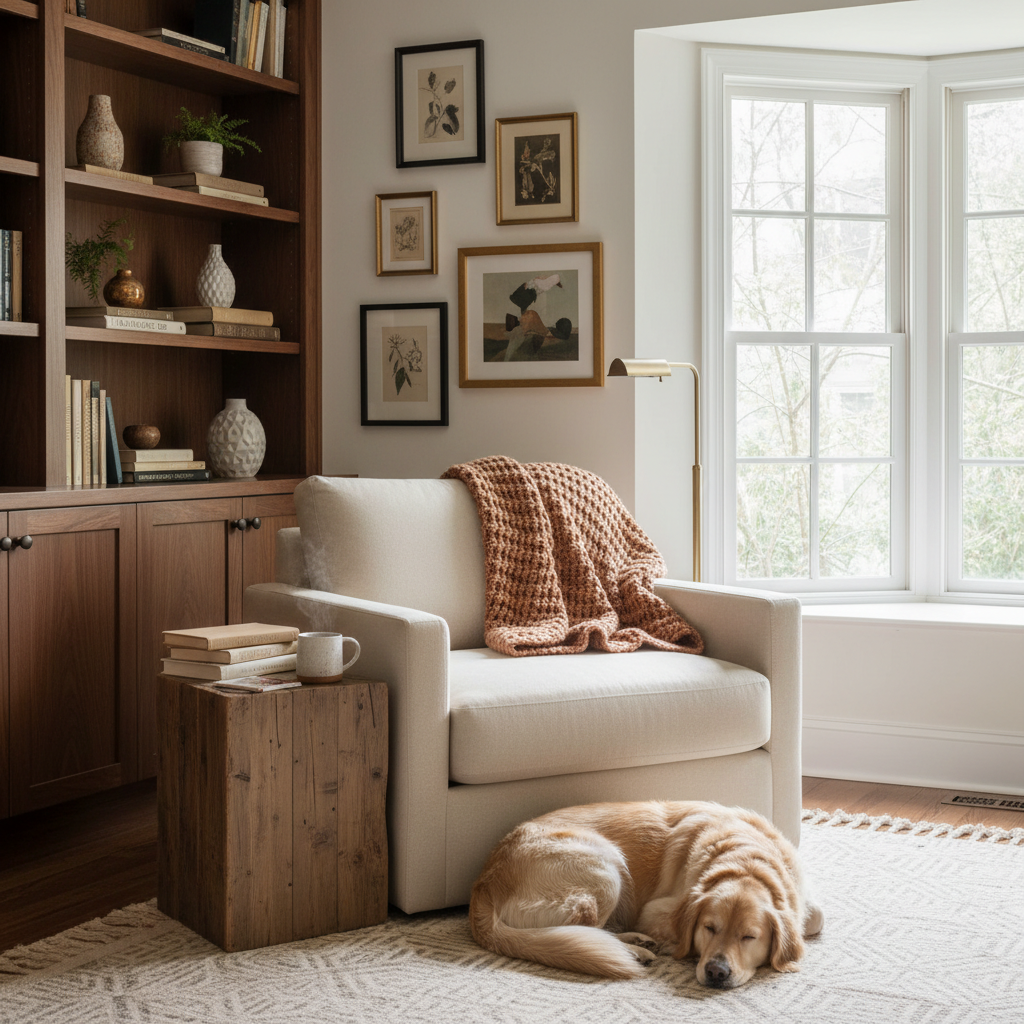
A cozy reading nook is defined as a small, dedicated space designed for comfort, relaxation, and focused reading, often featuring soft furnishings, adequate lighting, and personal touches. Creating one allows homeowners to carve out a personal sanctuary within their living space, fostering a sense of calm and providing an inviting retreat from daily distractions, regardless of room size or layout.
Table of Contents
- Understanding the Allure of a Reading Nook
- Assessing Your Space: Finding the Perfect Nook Spot
- The Foundation of Comfort: Seating and Support
- Illumination and Ambiance: Setting the Mood
- Personalizing Your Nook: Storage, Decor, and Details
- Nook Know-How for Small Spaces: Studio Apartments and Beyond
- Maintaining Your Sanctuary: Keeping Your Nook Inviting
Understanding the Allure of a Reading Nook
In our fast-paced, digitally saturated world, finding moments of quiet solitude can feel like a luxury. A reading nook isn't just a designated spot for books; it's a personal sanctuary, a haven where you can unplug, unwind, and immerse yourself in stories, thoughts, or simply a cup of tea. For homeowners, creating a cozy reading nook is about more than just interior design; it's about cultivating a specific mood and functionality within your living space. It's an intentional act of self-care, providing a dedicated corner for reflection, learning, and relaxation. This guide will walk you through the practical steps to design such a space, no matter the size or layout of your home.
The Psychological Benefits of a Dedicated Retreat
Having a designated space for relaxation and focused activity, like reading, offers significant psychological advantages. It signals to your brain that this area is for unwinding, helping to reduce stress and improve concentration. In a world where our homes often double as offices, gyms, and entertainment centers, a reading nook provides a clear boundary, separating leisure from other demands. This mental separation can lead to better sleep, reduced anxiety, and an overall sense of well-being. It's about creating a physical manifestation of peace within your home, a place you can consistently return to for rejuvenation.
More Than Just Books: The Multifunctionality of a Nook
While traditionally associated with reading, a cozy nook can serve many purposes beyond just turning pages. It can be a quiet spot for journaling, meditation, listening to music, or simply enjoying a cup of coffee in peace. For those who work from home, it might offer a screen-free zone for creative thinking or planning. Parents might use it as a quiet corner for feeding a baby or reading bedtime stories to children. The beauty of a well-designed nook lies in its adaptability; it's a versatile space that caters to whatever form of quiet contemplation or gentle activity you seek, making it a valuable addition to any home.
Why Every Homeowner Needs a Cozy Corner
Every homeowner, regardless of their home's size or their personal hobbies, can benefit from a cozy corner. It’s about creating a sense of intimacy and refuge in an otherwise open or busy home. For those living in larger homes, it offers a contrast to expansive living areas, providing a sense of enclosure and warmth. In smaller homes, particularly studio apartments, it defines a specific zone for relaxation, preventing the entire space from feeling like one undifferentiated area. It’s an investment in your personal comfort and mental health, proving that even a small footprint can yield significant benefits for your daily life.
Assessing Your Space: Finding the Perfect Nook Spot
Before diving into decor, the first crucial step is to identify the ideal location for your reading nook. This involves a thoughtful assessment of your existing space, considering factors like natural light, privacy, and proximity to distractions. The perfect spot might be obvious, like a window seat, or it might require a bit more creativity, such as a forgotten corner or a cleverly repurposed closet. The goal is to find an area that can offer a sense of retreat, even if it's not entirely isolated from the rest of the room.
Step 1 of 3: Identify Potential Locations
Begin by walking through your home with fresh eyes, looking for underutilized or awkward spaces. Consider areas like:
- Window sills or bay windows: These are classic choices, offering natural light and a view.
- Empty corners: Often overlooked, a corner can be transformed with the right furniture.
- Alcoves or recessed areas: These naturally provide a sense of enclosure.
- Under a staircase: A surprisingly cozy and often forgotten space.
- A wide hallway landing: If you have a larger landing, it can become a mini-room.
- Part of a larger room: Even in a living room or bedroom, a nook can be defined by furniture placement or a room divider.
- Closets: For studio apartments or very small homes, a walk-in or even a deep standard closet can be cleared out and repurposed.
Think about the flow of traffic in your home. You want a spot that feels somewhat out of the main thoroughfare, allowing for uninterrupted quiet time.
Step 2 of 3: Evaluate Natural Light and Views
Natural light is a key ingredient for a truly inviting reading nook. Position your nook near a window if possible, allowing you to enjoy daylight reading and a pleasant view. Consider the direction of the window – north-facing windows offer consistent, soft light, while south-facing windows provide brighter, warmer light that changes throughout the day. East-facing windows are great for morning readers, and west-facing for afternoon. If natural light is scarce, don't despair; strategic artificial lighting can compensate, which we'll cover later. Also, think about the view. Does the window overlook a garden, a quiet street, or a bustling city? A pleasant view can enhance the sense of escape.
Step 3 of 3: Consider Privacy and Noise Levels
While natural light is desirable, privacy and noise levels are equally important. A nook near a busy entryway or a television might not offer the tranquility you seek. Assess the ambient noise in potential locations throughout the day. Can you add sound-dampening elements like thick curtains, rugs, or even a small bookshelf filled with books to absorb sound? For privacy, consider sheer curtains or blinds if your window faces a public area. In an open-plan living space, strategically placed furniture, a decorative screen, or even a tall plant can create a visual barrier, signaling that this area is a distinct zone for quiet contemplation.
🏠 Recommended Product: Threshold Linen Throw Pillow These versatile pillows add an instant layer of softness and texture, perfect for propping up your head or back in your new cozy nook. Buy on Amazon: Threshold Linen Throw Pillow
The Foundation of Comfort: Seating and Support
Once you've identified your ideal spot, the next step is to select the perfect seating. This is arguably the most critical element of your reading nook, as comfort is paramount. The right chair or cushion arrangement will invite you to settle in for hours, while an uncomfortable one will quickly deter you. Consider both ergonomics and aesthetics, ensuring your chosen piece not only looks good but also supports your body for extended periods of reading.
Choosing the Right Chair: Ergonomics Meets Style
The type of chair you choose will largely depend on the space available and your personal preference.
- Armchair: A classic choice, offering ample support and a sense of enclosure. Look for models with comfortable armrests and a slightly reclined back. Fabric choices like velvet, chenille, or a soft linen can enhance the cozy factor.
- Wingback Chair: Provides excellent head and neck support, and its "wings" offer a feeling of being enveloped, perfect for privacy.
- Chaise Lounge: Ideal for stretching out completely, though it requires more space.
- Papasan Chair: A deep, bowl-shaped chair that's incredibly comfortable for curling up, often with a plush cushion.
- Floor Cushions/Poufs: For very small spaces or a more bohemian vibe, a stack of large, comfortable floor cushions can create a surprisingly inviting nook. Pair them with a low back support cushion.
- Built-in Bench/Window Seat: If you have a bay window or an alcove, a custom or pre-made bench with deep cushions can be a perfect fit.
When testing chairs, pay attention to the depth of the seat, the height of the backrest, and the firmness of the cushions. You want a chair that allows you to sit comfortably with your feet on the floor (or propped up) and provides good lumbar support.
Layering for Ultimate Coziness: Pillows, Throws, and Rugs
Once you have your primary seating, it's time to layer on the softness. This is where your reading nook truly transforms into a cozy haven.
- Pillows: Don't underestimate the power of pillows. Use a mix of decorative throw pillows for aesthetic appeal and functional support pillows for your back, neck, or even under your knees. Look for varying textures like faux fur, knit, or velvet to add visual interest and tactile comfort. A lumbar pillow is a must-have for extended reading sessions.
- Throws: A soft, warm throw blanket is essential. Opt for materials like cashmere, merino wool, chunky knit, or a plush fleece. Drape it artfully over your chair or keep it neatly folded nearby, ready to be pulled over you on a chilly evening. The visual softness of a blanket instantly communicates comfort.
- Rugs: An area rug can define the space of your nook, especially in a larger room, and add a layer of warmth and sound absorption. Choose a soft, plush rug in a material like wool, shag, or a thick cotton blend. The rug should be large enough to encompass your seating and perhaps a small side table, anchoring the space.
🏠 Recommended Product: Better Homes & Gardens Woven Rug A soft, textural area rug can define your reading nook, add warmth underfoot, and absorb sound for a more tranquil environment. Buy on Amazon: Better Homes & Gardens Woven Rug
Footrests and Ottomans: Elevating Your Comfort
To truly relax, elevating your feet can make a world of difference. A footrest or ottoman is a wonderful addition to any reading nook, promoting better circulation and allowing you to fully recline.
- Ottoman: Choose an ottoman that matches or complements your chair. Some ottomans even offer hidden storage, which can be a bonus for keeping extra blankets or books tidy.
- Pouf: A versatile and often more compact option, poufs are lightweight and can be easily moved. They come in various textures and patterns, adding a decorative touch.
- Small Stool: A simple, sturdy stool can also serve as a footrest and can be easily tucked away when not in use.
Ensure the height of your chosen footrest is comfortable in relation to your chair, allowing your legs to rest naturally without strain. This small addition can significantly enhance the overall comfort and luxurious feel of your cozy reading nook.
Illumination and Ambiance: Setting the Mood
Lighting is paramount in a reading nook. It's not just about visibility; it's about creating an inviting, warm, and focused atmosphere. Good lighting prevents eye strain and enhances the overall coziness of the space. Beyond illumination, other elements contribute to the ambiance, transforming a simple corner into a truly immersive retreat.
Task Lighting for Reading: Preventing Eye Strain
The most crucial lighting in a reading nook is task lighting. This should be direct, adjustable, and bright enough to illuminate your book without casting harsh shadows or creating glare.
- Floor Lamps: A popular choice, especially arc floor lamps that can extend over your chair, providing light from above. Look for models with adjustable brightness (dimmer switches are a plus) and a warm color temperature (around 2700K-3000K) for a cozy feel.
- Table Lamps: If you have a side table, a table lamp can work well. Ensure it's tall enough to cast light over your shoulder onto your book. Again, adjustability and a warm bulb are key.
- Wall-Mounted Sconces: For very tight spaces, a swing-arm wall sconce can save floor or table space while providing directed light. Professional installation might be required.
- Clip-on Lights: As a temporary or very space-saving solution, a clip-on reading light can attach directly to your book or a nearby shelf.
Position your task light so that the light source is slightly behind or to the side of your head, preventing direct glare into your eyes.
🏠 Recommended Product: Brightech Sparq Arc Floor Lamp This elegant arc lamp provides overhead lighting without needing a ceiling fixture, perfect for illuminating your reading material and adding a modern touch. Buy on Amazon: Brightech Sparq Arc Floor Lamp
Ambient Lighting: Creating a Warm Glow
Beyond task lighting, ambient lighting contributes to the overall mood of your nook. This softer, diffused light helps to create a warm and inviting atmosphere.
- String Lights: Fairy lights or globe string lights can be draped around shelves, windows, or even a headboard to add a whimsical, soft glow.
- LED Strips: Hidden LED strips can be installed behind shelves or along the edge of a window seat for subtle, indirect illumination.
- Small Table Lamps: A small, decorative table lamp with a low-wattage bulb on a nearby shelf or table can add a gentle background glow.
- Candles: For an extra layer of warmth and sensory appeal, flameless LED candles or scented candles (always supervised!) can enhance the cozy ambiance. Choose scents like vanilla, sandalwood, or lavender for relaxation.
The goal is to create layers of light, allowing you to adjust the brightness and mood according to the time of day and your activity.
Sensory Enhancements: Scents, Sounds, and Textures
To truly complete the ambiance of your reading nook, engage all your senses.
- Scents: An essential oil diffuser with relaxing scents like lavender, chamomile, or cedarwood can significantly enhance the calming atmosphere. Scented candles, as mentioned, are also excellent.
- Sounds: While silence is often preferred for reading, some people enjoy soft background noise. Consider a white noise machine to block out distractions, or a small Bluetooth speaker for calming instrumental music or nature sounds.
- Textures: We've already covered soft throws and pillows, but also think about the materials surrounding your nook. A natural wood side table, a woven basket, or a plant with interesting foliage can add tactile and visual interest.
- Temperature: Ensure your nook is at a comfortable temperature. If it's near a drafty window, consider heavy curtains. A small, personal space heater can be a luxurious addition for colder months, or a small fan for warmer ones.
By thoughtfully layering these sensory elements, you transform your reading nook from just a space into an experience, a true sanctuary for your mind and body.
Personalizing Your Nook: Storage, Decor, and Details
A reading nook should reflect your personality and cater to your specific needs. This section focuses on adding the practical and decorative elements that make the space uniquely yours, ensuring everything you need is within reach and that the aesthetic brings you joy.
Essential Storage Solutions for Books and Beyond
A reading nook isn't complete without a place to store your current reads and future literary adventures.
- Side Table with Storage: A small side table is crucial for holding your cup of tea, a snack, or your phone. Look for one with a drawer or a lower shelf for extra storage.
- Small Bookshelf or Bookcase: A narrow, tall bookshelf or a cube storage unit can fit neatly into a corner, providing ample space for books, magazines, and small decorative items.
- Floating Shelves: For a minimalist look or very tight spaces, floating shelves above your seating can hold a few books, a small plant, or a framed photo.
- Baskets: Woven baskets are excellent for storing extra blankets, magazines, or even a small stack of books. They add texture and a touch of natural warmth.
- Ottomans with Storage: As mentioned earlier, a storage ottoman can cleverly hide away items like extra pillows, throws, or even a journal.
The key is to keep storage solutions within arm's reach from your seated position, minimizing the need to get up once you've settled in.
Decorating Your Sanctuary: Art, Plants, and Personal Touches
Now for the fun part: infusing your personality into the space.
- Art: Hang a small piece of art, a framed print, or a gallery wall of miniature frames that inspire you. Choose calming landscapes, abstract pieces, or illustrations that resonate with your reading interests.
- Plants: A touch of greenery brings life and freshness to any space. Consider low-maintenance plants like a Pothos, Snake Plant, or ZZ Plant for a corner, or a small succulent on your side table. Plants also improve air quality.
- Personal Photos: Frame a cherished photo of loved ones or a memorable place to add a sentimental touch.
- Collectibles: Display a small collection of objects that bring you joy – perhaps a unique ceramic piece, a souvenir from a trip, or a beautiful paperweight.
- Mirrors: In a small nook, a strategically placed mirror can reflect light and make the space feel larger.
Remember, less is often more in a cozy nook. You want it to feel curated, not cluttered. Each item should have a purpose, whether functional or aesthetic, and contribute to the overall sense of calm.
🏠 Recommended Product: SONGMICS Bamboo Shelf This compact and stylish bamboo shelf is perfect for holding your favorite books, a small plant, and a cup of tea, keeping essentials within reach. Buy on Amazon: SONGMICS Bamboo Shelf
Case Study: Urban Loft — Before/After
Before: A stark, unused corner in an open-plan urban loft. It featured an exposed brick wall, a single, cold overhead light, and was a catch-all for mail and forgotten items. The homeowner, Sarah, felt overwhelmed by the open space and craved a designated zone for quiet time.
After: Sarah transformed the corner into a vibrant, inviting reading nook. She started by placing a plush, deep blue velvet armchair against the brick wall. A round, industrial-style side table was added next to it, holding a small ceramic mug and a stack of current reads. Above the table, two small floating shelves (Umbra Trigg Floating Shelves, B00JXLB5MU) were installed, displaying a trailing Pothos plant and a unique ceramic sculpture. An arc floor lamp (Brightech Sparq Arc Floor Lamp, B07BVBF9NQ) provided warm, adjustable task lighting. The brick wall was softened with a large macrame wall hanging (Mkono Macrame Wall Hanging, B07JNRG5TG), adding texture and warmth. A thick, cream-colored shag rug (Better Homes & Gardens Woven Rug, B07XVJQN6T) anchored the space, and a mix of patterned and solid throw pillows (Threshold Linen Throw Pillow, B09TQFKD7P) made the armchair irresistible. The previously cold corner now feels like a warm, personal retreat, perfectly complementing the loft's modern aesthetic while offering a much-needed escape.
Nook Know-How for Small Spaces: Studio Apartments and Beyond
Creating a cozy reading nook in a small space, like a studio apartment or a compact bedroom, requires clever planning and a focus on multi-functional elements. Don't let limited square footage deter you; with the right strategies, even the tiniest corner can become a personal sanctuary. The key is to maximize every inch and choose items that serve multiple purposes.
Maximizing Every Inch: Vertical Space and Multi-Functional Furniture
When space is at a premium, thinking vertically and choosing smart furniture are essential.
- Vertical Shelving: Instead of wide bookcases, opt for tall, narrow shelves that can fit into tight corners. Floating shelves are also excellent for utilizing wall space without taking up floor area.
- Storage Ottomans/Benches: As mentioned, an ottoman that doubles as storage is invaluable. Similarly, a bench with built-in drawers or a lift-top can provide seating and hide clutter.
- Wall-Mounted Desks/Tables: If your nook needs to occasionally serve as a workspace, a small wall-mounted drop-leaf table can be folded away when not in use.
- Corner Seating: Look for chairs specifically designed for corners, or consider a custom-built bench that wraps around a corner to maximize seating without wasting space.
- Foldable Furniture: While not ideal for permanent seating, a stylish folding chair can be brought out for guests or when you need extra seating, then stored away.
Every piece of furniture in a small nook should earn its place by either being compact, multi-functional, or both.
Clever Nook Ideas for Studio Apartments
Studio apartments present a unique challenge, as the entire space is essentially one room. Here are some creative solutions:
- The "Closet Nook": If you have a deep closet, clear it out. Paint the interior a calming color, add a comfortable cushion or a small armchair, a battery-operated light strip, and some small shelves. This creates an incredibly private and defined space.
- Room Divider Definition: Use a tall, open-back bookshelf, a decorative screen, or even a large plant to visually separate a corner of your studio apartment as the "nook zone." This creates a sense of enclosure without building walls.
- Window Seat Conversion: If your studio has a wide window sill, add a custom cushion, some throw pillows, and a small side table. This is a classic, space-efficient solution.
- Bedside Nook: If your bed is against a wall, dedicate one side of it as your reading nook. Prop up several large pillows against the wall, add a small, wall-mounted light, and a tiny floating shelf for your book and drink.
- Under-the-Bed Storage: While not a nook itself, utilizing under-bed storage for books and blankets frees up space elsewhere for your dedicated reading spot.
The key is to clearly define the boundaries of your nook, even if it's just with a rug or a change in lighting, to make it feel like a distinct area.
Checklist: Essential Elements for a Small-Space Nook
✅ Compact Seating: Choose an armchair with a small footprint, a floor cushion, or a built-in bench. ✅ Vertical Storage: Utilize floating shelves, narrow bookcases, or wall-mounted organizers. ✅ Adjustable Task Lighting: A wall-mounted sconce or a slim floor lamp with a small base. ✅ Multi-Functional Furniture: Ottomans with storage, side tables with shelves. ✅ Defining Rug: A small area rug to visually delineate the nook from the rest of the room. ✅ Light-Colored Palette: Lighter colors on walls and textiles can make the space feel larger and airier. ✅ Mirrors: Strategically placed to reflect light and create an illusion of depth. ✅ Minimalist Decor: Choose a few meaningful pieces rather than cluttering the space. ✅ Smart Cable Management: Keep cords for lamps and chargers tidy to avoid visual clutter. ✅ Personal Touches: A small plant, a favorite photo, or a unique art piece to make it yours.
🏠 Recommended Product: Umbra Trigg Floating Shelves These geometric floating shelves are perfect for small spaces, offering stylish storage for a few books, a small plant, or decorative items without taking up floor space. Buy on Amazon: Umbra Trigg Floating Shelves
Maintaining Your Sanctuary: Keeping Your Nook Inviting
Creating a cozy reading nook is just the first step; maintaining its inviting atmosphere is equally important. A neglected nook can quickly lose its appeal, becoming another cluttered corner rather than a peaceful retreat. Regular upkeep, thoughtful organization, and seasonal refreshes will ensure your sanctuary remains a cherished spot for years to come.
Regular Decluttering and Organization
The essence of a cozy nook is tranquility, and clutter is the enemy of tranquility.
- Daily Tidy-Up: Take a minute or two each day to put away any stray items. Return books to their shelves, fold your throw blanket, and clear away empty mugs or snack wrappers.
- Designated Spots: Ensure every item in your nook has a designated home. This makes tidying quick and effortless. For example, a small basket for magazines, a hook for headphones, or a specific shelf for your current read.
- One-In, One-Out Rule: For books or decorative items, consider a "one-in, one-out" rule to prevent accumulation. If you buy a new book, decide which old one to donate or store elsewhere.
- Digital Declutter: While not physical, ensure your phone or tablet (if used in the nook) is organized and free from distracting notifications. The goal is mental peace as well as physical.
A clean, organized nook is inherently more inviting and conducive to relaxation.
Seasonal Refreshments and Updates
Just like the rest of your home, your reading nook can benefit from seasonal updates to keep it feeling fresh and relevant.
- Winter Warmth: As temperatures drop, swap lighter throws for heavier, cozier ones (e.g., faux fur or chunky knit). Introduce warmer color palettes like deep reds, forest greens, or rich browns. Add more candles or warmer-toned lighting.
- Spring Freshness: Bring in lighter fabrics like linen or cotton for pillows and throws. Introduce pastel colors or floral patterns. Add fresh flowers or a new, vibrant plant. Open windows to let in fresh air.
- Summer Brightness: Opt for cool, breathable fabrics and bright, airy colors. Consider sheer curtains to filter sunlight while maintaining brightness. A small fan might be a welcome addition.
- Autumn Hues: Embrace earthy tones like burnt orange, mustard yellow, and deep plum. Introduce textured elements like wool or corduroy. Scented candles with pumpkin spice or apple cider notes can enhance the mood.
These small changes can significantly impact how your nook feels, preventing it from becoming stagnant and keeping it an exciting space to retreat to.
Maintaining the Ambiance: Lighting, Scent, and Sound
The sensory elements you carefully curated when creating your nook also require ongoing attention.
- Bulb Check: Ensure all your light bulbs are working and are still providing the desired color temperature and brightness. Replace dimming bulbs promptly.
- Scent Rotation: Rotate your essential oil diffuser blends or scented candles to match the season or your mood. Don't let scents become overwhelming; subtle is often best.
- Sound Control: If using a white noise machine or speaker, ensure it's functioning correctly and the volume is appropriate. Check that curtains or rugs are still effectively dampening external noise.
- Cleanliness: Regularly dust surfaces, vacuum the rug, and wash pillow covers and throws. A clean environment contributes significantly to a peaceful ambiance.
By consistently paying attention to these details, you ensure your cozy reading nook remains a truly restorative and enjoyable space within your home, always ready to welcome you for your next moment of quiet escape.
Frequently Asked Questions
Q: How much space do I really need for a reading nook? A: You need surprisingly little space. Even a 3x3 foot corner can be transformed. The key is to define the space with a comfortable chair, good lighting, and a few personal touches. Many successful nooks are created in unused corners, under windows, or even within repurposed closets.
Q: What's the most important item for a cozy reading nook? A: The most important item is comfortable seating. Whether it's a plush armchair, a bean bag, or a deeply cushioned window seat, the ability to sit or recline comfortably for extended periods is paramount to the nook's purpose. All other elements enhance this core comfort.
Q: Can I create a reading nook without a window? A: Absolutely! While natural light is a bonus, it's not a requirement. Focus on excellent artificial task lighting (like an adjustable floor lamp) and ambient lighting (string lights, small table lamps) to create a warm, inviting glow. Adding a mirror can also help reflect any available light.
Q: How do I make my reading nook feel private in an open-plan living space? A: Use visual cues to define the space. A tall, open-back bookshelf, a decorative screen, or even a large, strategically placed plant can create a sense of enclosure. An area rug can also visually anchor the nook as its own distinct zone. Heavy curtains can add both privacy and sound dampening.
Q: What are some budget-friendly tips for creating a reading nook? A: Look for second-hand furniture at thrift stores or online marketplaces for a unique, affordable chair. Upcycle old blankets into throw pillows, or use large floor cushions instead of an expensive armchair. DIY floating shelves and string lights are also cost-effective ways to add charm and functionality.
Q: What kind of lighting is best for reading? A: For reading, you need direct, adjustable task lighting with a warm color temperature (around 2700K-3000K). This prevents eye strain and creates a cozy atmosphere. Floor lamps with adjustable arms or table lamps that shine over your shoulder are ideal.
Q: How can I incorporate storage into a small reading nook? A: Utilize vertical space with floating shelves or narrow bookcases. Choose multi-functional furniture like ottomans or side tables with built-in storage. Woven baskets are also excellent for discreetly storing blankets, magazines, or books.
Q: Should my reading nook match the rest of my room's decor? A: It doesn't have to perfectly match, but it should complement the overall aesthetic of the room. A reading nook can be a chance to experiment with a slightly different style or color palette, as long as it doesn't clash. Think of it as a mini-escape within your home that still feels cohesive.
Conclusion
Creating a cozy reading nook is one of the most rewarding home design projects you can undertake. It's an investment in your personal well-being, offering a dedicated space for relaxation, reflection, and the simple joy of getting lost in a good book. From identifying the perfect spot, whether it's a sun-drenched window seat or a cleverly repurposed closet in a studio apartment, to layering soft textures, selecting the right lighting, and infusing it with personal touches, every step contributes to building your ultimate sanctuary. Remember that comfort, functionality, and a touch of your unique personality are the guiding principles. Don't be afraid to experiment with different elements, from plush throw pillows and warm blankets to inspiring art and fragrant candles, until your nook feels like a true extension of your inner peace. By following the practical advice in this guide, homeowners can transform any unused corner into a beloved retreat, proving that a little bit of intentional design can go a long way in enhancing daily life.
Ready to discover your unique home design style? Take the free HomeVibed Style Quiz and get a personalized room-by-room design plan instantly.
As an Amazon Associate, HomeVibed earns from qualifying purchases. This helps support our free content at no extra cost to you.
🏠 Products Featured in This Guide

accent pillows
Buy on Amazon: Threshold Linen Throw Pillow
Neutral linen texture that works with any palette — from Japandi to coastal.

rugs
Buy on Amazon: Better Homes & Gardens Woven Rug
Adds warmth and texture underfoot — the fastest way to anchor a living room.

lighting
Buy on Amazon: Brightech Sparq Arc Floor Lamp
Warm ambient lighting that transforms the mood of any living space instantly.
All Recommended Products

Buy on Amazon: Threshold Linen Throw Pillow
Recommended for How to Create a Cozy Reading Nook in Any Room (Even a Studio Apartment)
View on Amazon →
Buy on Amazon: Better Homes & Gardens Woven Rug
Recommended for How to Create a Cozy Reading Nook in Any Room (Even a Studio Apartment)
View on Amazon →
Buy on Amazon: Brightech Sparq Arc Floor Lamp
Recommended for How to Create a Cozy Reading Nook in Any Room (Even a Studio Apartment)
View on Amazon →
Buy on Amazon: SONGMICS Bamboo Shelf
Recommended for How to Create a Cozy Reading Nook in Any Room (Even a Studio Apartment)
View on Amazon →
Buy on Amazon: Umbra Trigg Floating Shelves
Recommended for How to Create a Cozy Reading Nook in Any Room (Even a Studio Apartment)
View on Amazon →Discover Your Home Vibe
Take our free 10-question quiz to get your personalized style report, color palette, and room-by-room design plan.
Take the Quiz