Affiliate Disclosure: This article contains Amazon affiliate links (tag: seperts-20). If you click a link and make a qualifying purchase, HomeVibed may earn a small commission at no extra cost to you. Our editorial opinions are independent of affiliate compensation. Full disclosure →
How to Choose the Perfect Sofa for Your Living Room Style: A 2024 Guide
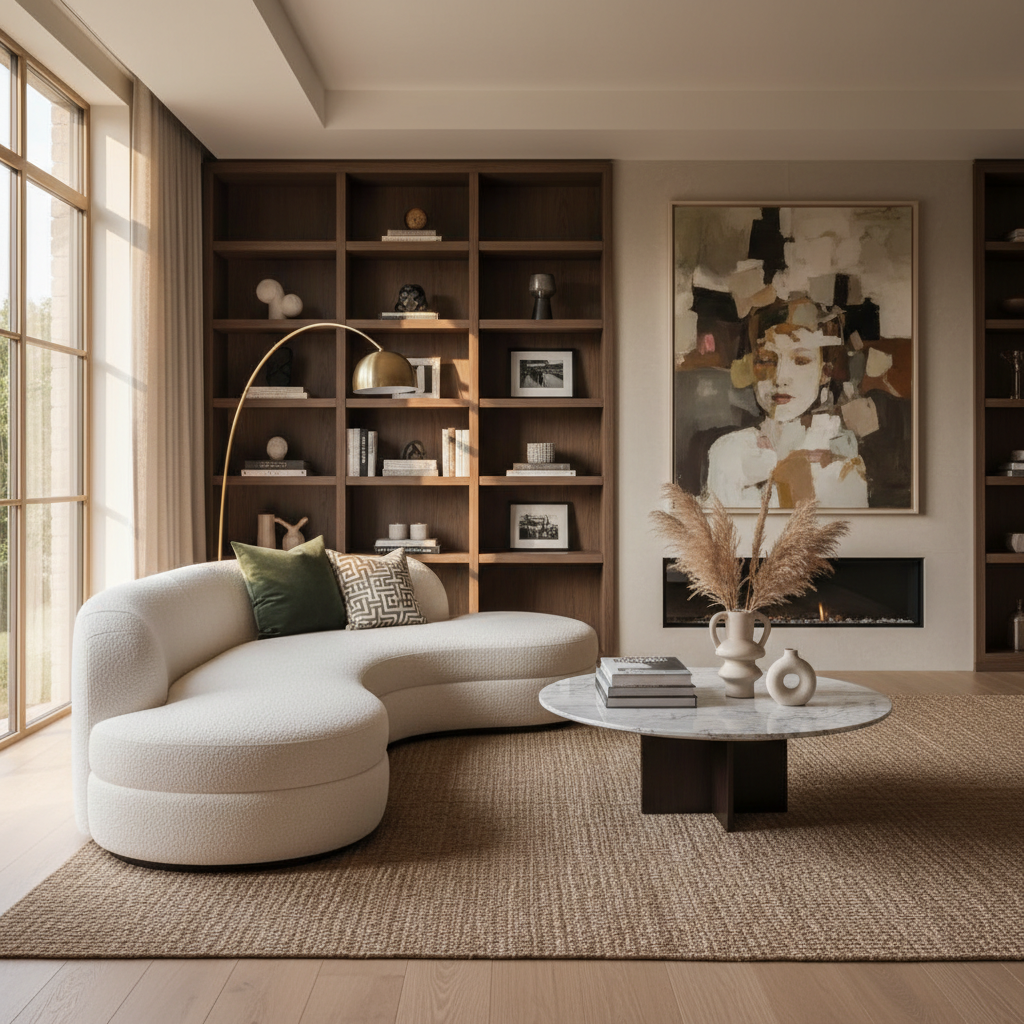
This article contains Amazon affiliate links. If you purchase through them, HomeVibed earns a small commission at no extra cost to you.
How to Choose the Perfect Sofa for Your Living Room Style: A 2024 Guide
Choosing the perfect sofa involves a thoughtful blend of aesthetics, functionality, and understanding your living room's existing style and spatial dynamics. It's not merely about picking a piece of furniture, but selecting the foundational element that anchors your entire design, provides comfort, and reflects your personal taste. For homeowners, this decision is paramount as the sofa often represents the largest and most used item in the living space, dictating the room's flow, mood, and overall livability.
Table of Contents
- Understanding Your Living Room's Core Style
- Mastering Measurements and Layout for Optimal Flow
- Deciphering Sofa Types and Their Design Impact
- Selecting the Right Fabric: Durability, Comfort, and Aesthetics
- Color, Pattern, and Texture: Harmonizing with Your Decor
- Comfort and Construction: Investing in Quality
- The HomeVibed Sofa Selection Checklist
Understanding Your Living Room's Core Style
Before you even begin browsing options, the most crucial first step is to definitively identify your living room's existing or desired design aesthetic. A sofa is a significant investment, both financially and aesthetically, and it needs to seamlessly integrate with the overall vibe of your home. Attempting to force a contemporary sofa into a farmhouse-style living room, or vice-versa, will create a disjointed and uncomfortable space. Take a moment to truly assess the architectural features of your room, the finishes of your flooring, the style of existing furniture, and the color palette you've already established. If you're starting from scratch, this is your opportunity to define that style. Don't be afraid to mix elements, but understand the core style you're building upon. If you're still exploring your personal design preferences, Take the HomeVibed Style Quiz to get a clearer direction.
Modern & Contemporary
Modern and contemporary styles prioritize clean lines, minimalist forms, and often a neutral color palette with pops of bold color. Sofas in this category typically feature sleek profiles, exposed legs (often metal or dark wood), and an absence of excessive ornamentation. Think low-slung designs, geometric shapes, and smooth, untextured fabrics like leather or tightly woven synthetics. The emphasis is on functionality and understated elegance. A modern sofa might have track arms or no arms at all, promoting a sense of openness and spaciousness. For a truly contemporary feel, look for innovative designs, perhaps with modular components or unique material combinations. The goal is a sophisticated, uncluttered look that feels current and fresh.
Traditional & Classic
Traditional and classic living rooms exude warmth, comfort, and a sense of timelessness. Sofas here often feature rolled arms, turned legs, intricate detailing like tufting or nailhead trim, and rich, durable fabrics such as velvet, chenille, or brocade. The silhouettes tend to be more substantial and ornate than their modern counterparts. Colors often lean towards deep jewel tones, classic neutrals, or subtle patterns like damask or floral. The focus is on creating an inviting, formal, and enduring atmosphere. A traditional sofa is designed to be a centerpiece, offering a sense of heritage and established elegance. Comfort is key, often achieved through plush cushions and ample seating.
Bohemian & Eclectic
Bohemian and eclectic styles celebrate individuality, global influences, and a relaxed, free-spirited vibe. Sofas in this category are less about strict rules and more about personal expression. You might find vintage pieces, sofas with unique textures like rattan or macrame accents, or those upholstered in vibrant patterns or rich, earthy tones. Comfort is paramount, often featuring deep seats and an abundance of throw pillows. Moroccan-inspired prints, global textiles, and natural materials like linen or distressed leather fit perfectly. The eclectic approach allows for mixing and matching, so a sofa might be a vintage find, a brightly colored piece, or a simple, comfortable base layered with unique accessories. The key is to create a collected, well-traveled, and cozy atmosphere.
Farmhouse & Rustic
Farmhouse and rustic living rooms are characterized by their cozy, welcoming, and unpretentious charm. Sofas in this style often feature simple, sturdy designs, natural materials, and comfortable, lived-in aesthetics. Think slipcovered sofas in linen or cotton, distressed leather, or durable woven fabrics in neutral tones like cream, beige, or soft gray. Exposed wood frames, often in lighter or reclaimed finishes, can also be a hallmark. The emphasis is on practicality, comfort, and a connection to nature. Sofas might have a slightly oversized feel, inviting relaxation, and often pair well with elements like shiplap walls, reclaimed wood coffee tables, and natural fiber rugs. The look is effortlessly chic and always inviting.
Mid-Century Modern
Mid-Century Modern (MCM) design, popular from the 1940s to the 1960s, is experiencing a strong resurgence. Sofas in this style are defined by their clean lines, organic curves, tapered wooden legs, and often a low profile. Upholstery frequently includes wool, tweed, or leather in rich, saturated colors (think avocado green, mustard yellow, or burnt orange) or classic neutrals. Functionality and simplicity are key, with designs that are both stylish and practical. Iconic MCM sofas often feature button tufting, slender arms, and a sophisticated, understated elegance. They are designed to be both comfortable and visually striking, serving as a focal point without overwhelming the room.
Mastering Measurements and Layout for Optimal Flow
Once you have a clear understanding of your living room's style, the next critical step is to tackle the practicalities of space. A beautiful sofa that doesn't fit, obstructs traffic, or overwhelms the room is a design disaster waiting to happen. This section will guide you through the essential measurements and layout considerations to ensure your new sofa is a perfect fit, not just aesthetically, but functionally. Remember, the goal is to create a harmonious and accessible space, not just to fill it with furniture.
Measuring Your Space Accurately
This is where the tape measure becomes your best friend. Don't eyeball it! ✅ Measure the length and width of your living room. ✅ Note the placement of windows, doors, radiators, and electrical outlets. ✅ Measure the distance from the wall to the edge of any built-in features (e.g., fireplace hearth, bookshelves). ✅ Determine the maximum length and depth your sofa can occupy without impeding walkways or blocking views. ✅ Consider the height as well – a very tall sofa might block a window or make a small room feel cramped. ✅ Use painter's tape on the floor to outline the potential footprint of your desired sofa. This visual aid is incredibly helpful for understanding scale.
Aim for at least 30-36 inches of clear pathway around primary seating areas. For coffee tables, leave about 14-18 inches between the sofa and the table for comfortable reach and movement.
Considering Room Proportions and Traffic Flow
The size and shape of your living room will heavily influence the ideal sofa dimensions and configuration.
- Small rooms: Opt for smaller scale sofas, loveseats, or apartment-sized sectionals with slender arms and exposed legs to create a sense of openness. Avoid bulky designs.
- Large rooms: You have more flexibility. A large sectional can define a seating zone, or you can pair a full-sized sofa with accent chairs to create multiple conversation areas.
- Long, narrow rooms: A sofa placed against the longest wall can make the room feel even narrower. Consider floating the sofa to create a walkway behind it, or using two smaller sofas facing each other.
- Open-concept spaces: The sofa often acts as a natural room divider. A sectional can effectively delineate the living area from a dining or kitchen space without the need for walls.
Always visualize how people will move through the room. Will the sofa block a doorway? Will someone have to squeeze past it to get to another area? Good traffic flow is essential for a comfortable and functional living space.
Sofa Configurations: Sectionals, Loveseats, and More
The type of sofa you choose significantly impacts both seating capacity and room layout.
- Standard Sofa (3-seater): The most common choice, typically 70-90 inches long. Versatile for most living rooms.
- Loveseat (2-seater): Ideal for smaller spaces or as a companion piece to a larger sofa. Usually 50-70 inches long.
- Sectional Sofa: Offers maximum seating and flexibility. Available in L-shapes, U-shapes, or modular components. Perfect for large families or entertaining, and excellent for defining zones in open-concept layouts. Be very precise with measurements for sectionals, considering both length and depth of all segments.
- Settee: A more formal, often smaller, two-seater sofa, typically with a more upright back. Great for entryways or as an accent piece.
- Chaise Lounge: A long, upholstered chair designed for reclining. Can be integrated into a sectional or stand alone for a luxurious touch.
Consider your lifestyle: Do you host large gatherings? Is it just you and a partner? Do you often lounge and watch movies? Your answers will guide your configuration choice.
🏠 Recommended Product: Rivet Revolve Modern Upholstered Sofa This mid-century modern inspired sofa offers clean lines, comfortable seating, and a versatile design that fits many contemporary and transitional living rooms. Its sturdy construction ensures long-lasting comfort and style. Buy on Amazon: Rivet Revolve Modern Upholstered Sofa
Doorways and Delivery Logistics
This is a frequently overlooked but critical step. A sofa is a large item, and you need to ensure it can actually get into your home and into the living room.
- Measure all doorways: Front door, hallway doors, and the living room door. Note both width and height.
- Measure hallways and stairwells: Account for turns, low ceilings, and any narrow spots.
- Measure elevator dimensions: If you live in an apartment building.
- Check sofa dimensions: Pay attention to the sofa's width, depth, and height. Some manufacturers provide "diagonal depth" which is crucial for maneuvering through tight spaces.
- Removable legs/arms: Ask if the sofa's legs or arms are removable, as this can often save several inches and make delivery much easier.
Don't assume! Many a homeowner has faced the frustrating reality of a new sofa stuck in the entryway. If in doubt, measure twice, and consider professional delivery services that offer assembly and placement.
Deciphering Sofa Types and Their Design Impact
Beyond just size and style, the specific type of sofa you choose can dramatically alter the functionality and aesthetic of your living room. Each sofa type has its own unique characteristics, benefits, and ideal placements. Understanding these nuances will help you make an informed decision that perfectly aligns with your lifestyle and design vision. From sprawling sectionals to compact loveseats, the right choice can transform your space.
Sectional Sofas: The Ultimate in Versatility
Sectional sofas are incredibly popular for their ability to maximize seating and adapt to various room layouts. They are essentially multiple sofa pieces that can be arranged in different configurations, most commonly L-shaped or U-shaped.
- Benefits: Offer ample seating, perfect for large families or entertaining. Can define distinct zones in open-concept living spaces. Many come with chaises for extended lounging.
- Considerations: Require significant space. Ensure the chosen configuration fits your room's dimensions and traffic flow. Can be less flexible to rearrange once placed.
- Design Impact: Creates a cozy, inclusive seating arrangement. In modern homes, a sleek sectional can be a minimalist statement. In traditional settings, a plush, tufted sectional can offer luxurious comfort.
Case Study: Open-Concept Loft — Before/After Before: A large, open-concept loft felt cavernous and lacked defined areas. A single, standard three-seater sofa was dwarfed by the space, and guests often felt scattered. After: A large, L-shaped sectional (120" x 90") in a neutral performance fabric was introduced, with the longer side against a wall and the shorter side extending into the room. This immediately created a distinct "living room" zone, separating it from the dining area. The sectional's chaise provided a comfortable lounging spot, and the overall effect was a much cozier, more functional, and visually balanced space that comfortably accommodated more people. The sofa became the anchor, giving purpose to the previously undefined area.
Chesterfield Sofas: Timeless Elegance
The Chesterfield sofa is an icon of classic design, instantly recognizable by its deep button tufting, rolled arms that are the same height as the back, and often a rich leather or velvet upholstery.
- Benefits: Exudes sophistication and timeless elegance. Extremely durable, especially in leather. Can be a statement piece in both traditional and modern eclectic settings.
- Considerations: Can be quite heavy and bulky. The deep tufting may not be everyone's idea of comfort for extended lounging. Requires a certain aesthetic commitment.
- Design Impact: Adds a touch of old-world charm and luxury. In a traditional room, it reinforces the classic aesthetic. In a contemporary space, a Chesterfield can provide an unexpected, stylish contrast, adding character and depth.
Settees and Loveseats: Compact Charm
Settees and loveseats offer seating for two, making them ideal for smaller rooms, apartments, or as complementary pieces in larger spaces.
- Loveseat: Essentially a smaller version of a standard sofa, designed for two people. Typically 50-70 inches wide.
- Settee: Often more formal, with a more upright back and sometimes a lighter, more delicate frame. Can be found in various styles, from ornate traditional to sleek modern.
- Benefits: Space-saving. Can create intimate conversation areas. Versatile as accent pieces in bedrooms, entryways, or home offices.
- Considerations: Limited seating capacity. May not be comfortable for long lounging sessions.
- Design Impact: In a small living room, a loveseat can be the primary seating without overwhelming the space. A settee can add a touch of elegance and provide extra seating without the bulk of a full sofa, perfect for a reading nook or a formal sitting area.
Sleeper Sofas: Form Meets Function
Sleeper sofas, also known as sofa beds, are designed to serve a dual purpose: a comfortable sofa by day and a functional bed by night.
- Benefits: Excellent for maximizing space in smaller homes or for accommodating overnight guests without a dedicated guest room. Modern designs offer surprisingly comfortable mattresses.
- Considerations: Can be heavier and more expensive than standard sofas. The mattress quality varies significantly, so testing is crucial. The mechanism can sometimes be complex or prone to wear.
- Design Impact: Provides practical utility without sacrificing style. A well-chosen sleeper sofa can blend seamlessly into your living room's design, offering a hidden functionality that enhances the home's versatility. Look for models with easy-to-operate mechanisms and comfortable mattresses.
Selecting the Right Fabric: Durability, Comfort, and Aesthetics
The fabric you choose for your sofa is arguably as important as its style and size. It dictates the sofa's overall look, feel, durability, and ease of maintenance. A beautiful sofa upholstered in the wrong fabric can quickly become a source of frustration, especially in high-traffic homes with kids or pets. This section will break down popular fabric options, helping you weigh their pros and cons in terms of aesthetics, comfort, and practical considerations.
Natural Fibers: Cotton, Linen, and Wool
Natural fibers offer a classic, breathable, and often luxurious feel, but each comes with its own set of characteristics.
-
Cotton:
- Pros: Soft, breathable, durable, relatively inexpensive, takes dye well (wide color range). Easy to clean if treated.
- Cons: Prone to wrinkling, can stain easily if not treated, may fade in direct sunlight.
- Best For: Casual, comfortable living rooms, farmhouse or bohemian styles. Good for homes without heavy pet traffic.
-
Linen:
- Pros: Extremely strong and durable, breathable, natural texture adds character, eco-friendly.
- Cons: Wrinkles easily (though this can be part of its charm), can be expensive, prone to shrinking if not pre-shrunk.
- Best For: Relaxed, airy, coastal, or farmhouse styles. Ideal for a sophisticated yet casual look.
-
Wool:
- Pros: Very durable, naturally flame-retardant, resistant to pilling and fading, excellent insulation (warm in winter, cool in summer).
- Cons: Can be expensive, some may find it itchy (though upholstery wool is usually softer), can be difficult to clean.
- Best For: Traditional, mid-century modern, or cozy, sophisticated spaces. Great for colder climates.
Synthetics: Polyester, Microfiber, and Velvet
Synthetic fabrics have come a long way, offering excellent durability, stain resistance, and a range of textures.
-
Polyester:
- Pros: Very durable, resistant to fading, stretching, and wrinkling. Often blended with natural fibers to enhance performance. Inexpensive.
- Cons: Can sometimes feel less luxurious than natural fibers. Can be prone to static cling.
- Best For: High-traffic areas, family rooms, homes with children or pets. Versatile for many styles.
-
Microfiber:
- Pros: Extremely soft, highly stain-resistant (often liquids bead up), very durable, easy to clean, pet-friendly (doesn't snag easily).
- Cons: Can attract static and lint. Some find its texture less appealing than natural fabrics.
- Best For: Busy households, homes with pets and kids, casual and contemporary styles where practicality is key.
-
Velvet:
- Pros: Luxurious look and feel, rich depth of color, soft to the touch. Can be made from natural (cotton, silk) or synthetic (polyester) fibers.
- Cons: Can show crushing or pile direction changes (though this can add character). Can be prone to crushing and difficult to clean if not a performance velvet.
- Best For: Glamorous, traditional, art deco, or eclectic styles. Adds a touch of opulence and warmth.
🏠 Recommended Product: Threshold Linen Throw Pillow These linen throw pillows are a perfect way to add texture, color, and comfort to your new sofa, whether you choose a natural or synthetic upholstery. They offer a touch of casual elegance and are easy to mix and match. Buy on Amazon: Threshold Linen Throw Pillow
Leather: Luxurious and Long-Lasting
Leather is a classic choice known for its durability, luxurious appearance, and ability to age beautifully.
- Pros: Extremely durable, easy to clean (wipes down), hypoallergenic, develops a rich patina over time, sophisticated look.
- Cons: Can be expensive, can scratch (especially unprotected types), can feel cold in winter and sticky in summer if not high quality.
- Types:
- Aniline: Most natural, softest, but least protected (shows blemishes).
- Semi-Aniline: More durable than aniline, still soft, with some protective coating.
- Protected/Pigmented: Most durable, uniform color, easiest to clean, but less natural feel.
- Best For: Traditional, modern, industrial, or masculine styles. Excellent for homes with pets (claws can still scratch, but hair wipes off easily).
Performance Fabrics: Life with Kids and Pets
Performance fabrics are engineered to withstand the rigors of daily life, making them a godsend for busy households.
- Key Features: High stain resistance, water repellency, fade resistance, increased durability, and often easy to clean with just soap and water. Brands like Sunbrella, Crypton, and Revolution are popular.
- Pros: Peace of mind for spills, pet accidents, and general wear and tear. Extends the life of your sofa.
- Cons: Can sometimes feel slightly less soft or natural than untreated fabrics (though quality has vastly improved). Can be more expensive upfront.
- Best For: Families with young children, pet owners, anyone who wants a worry-free, long-lasting sofa. Suitable for virtually any design style, as these fabrics come in a wide array of colors and textures.
When choosing, consider your household's activity level, your cleaning preferences, and the overall aesthetic you're aiming for. Always ask for fabric swatches to test in your home lighting and feel the texture before making a final decision.
Color, Pattern, and Texture: Harmonizing with Your Decor
Once you've narrowed down the style, size, and fabric type, it's time for the fun part: selecting the color, pattern, and texture that will bring your sofa to life and integrate it seamlessly into your living room. These elements are powerful design tools that can evoke emotion, add visual interest, and define the mood of your space. A well-chosen sofa can be a bold statement piece or a quiet backdrop, depending on how you play with these design components.
Choosing a Dominant Color Palette
The color of your sofa will be one of the most impactful decisions you make for your living room.
- Neutral Sofas (Grays, Beiges, Creams):
- Pros: Versatile, timeless, easy to redecorate around, creates a calm backdrop. Allows accent colors to pop.
- Cons: Can sometimes feel bland if not layered with texture and color in accessories.
- Best For: Longevity, small spaces (light neutrals make a room feel larger), modern, minimalist, and transitional styles.
- Bold Sofas (Blues, Greens, Jewel Tones):
- Pros: Creates a focal point, adds personality and drama, can elevate a simple room.
- Cons: Less versatile for future redecorating, might tire of the color over time.
- Best For: Eclectic, traditional, or maximalist styles. Rooms where you want the sofa to be the star.
- Dark Sofas (Charcoal, Navy, Black):
- Pros: Hides stains well, sophisticated, grounding, creates a sense of intimacy.
- Cons: Can make a small room feel smaller, can absorb light.
- Best For: Modern, industrial, or traditional spaces. High-traffic areas.
Consider the existing colors in your room – walls, rugs, curtains, and other furniture. Use a color wheel to understand complementary and analogous colors. For example, a navy sofa (cool tone) can be beautifully complemented by warm accents like mustard yellow or rust orange.
Incorporating Patterns and Textures
Patterns and textures add depth, interest, and personality to your living room.
- Patterned Sofas:
- Pros: Hides minor stains, adds visual excitement, can define a specific style (e.g., floral for traditional, geometric for modern).
- Cons: Can be overwhelming in a small space, less versatile, might limit other patterned elements in the room.
- Best For: Eclectic, bohemian, or traditional spaces where you want a playful or ornate focal point.
- Textured Sofas (e.g., Velvet, Bouclé, Linen, Corduroy):
- Pros: Adds tactile appeal, creates visual interest without needing bold color, can make a room feel cozier.
- Cons: Some textures might show wear or crushing more easily.
- Best For: Adding sophistication (velvet), warmth (bouclé), or a relaxed, natural feel (linen) to any style.
Comparison Table: Sofa Color & Pattern Impact
| Feature | Neutral Sofa (e.g., Light Gray) | Bold Sofa (e.g., Emerald Green) | Patterned Sofa (e.g., Geometric) |
|---|---|---|---|
| Visual Impact | Calm, spacious, versatile backdrop | Striking focal point, adds drama | Dynamic, adds visual interest, can hide imperfections |
| Redecorating | Very easy to change accessories and themes | Requires careful planning for complementary colors | Can be challenging to pair with other patterns/colors |
| Perceived Size | Makes rooms feel larger and brighter | Can make a small room feel more intimate, potentially smaller | Can make a room feel busy if not balanced |
| Maintenance | Shows dirt more easily (light colors), but generally easy | Depends on fabric, darker colors hide some stains | Excellent for hiding minor stains and wear |
| Style Fit | Modern, minimalist, transitional, Scandinavian, coastal | Traditional, eclectic, glam, mid-century modern | Bohemian, traditional, eclectic, specific period styles |
| Mood Created | Serene, airy, sophisticated | Energetic, luxurious, inviting | Playful, unique, curated |
The Role of Accent Pillows and Throws
Accent pillows and throws are your secret weapons for tying the entire look together. They allow you to introduce pops of color, patterns, and textures without committing to them on the sofa itself.
- Color Accents: Use pillows in complementary or contrasting colors to your sofa to add vibrancy. If your sofa is neutral, this is where you can go wild with color.
- Pattern Play: Mix and match patterns (e.g., a floral with a geometric, a stripe with a solid texture). Vary the scale of patterns for interest.
- Texture Layering: Combine different textures like chunky knits, faux fur, velvet, and linen to create a rich, inviting feel.
- Seasonal Updates: Pillows and throws are an inexpensive way to update your living room for different seasons or moods.
Remember, the goal is balance. If your sofa is bold, keep pillows more subdued. If your sofa is neutral, use pillows and throws to inject personality. Don't be afraid to experiment! For more inspiration, Browse all home design guides.
Comfort and Construction: Investing in Quality
A sofa isn't just a visual centerpiece; it's a piece of furniture designed for comfort and relaxation. The internal construction of a sofa—its frame, cushion fillings, and spring system—is paramount to its durability, longevity, and how comfortable it feels day after day. Skimping on quality here can lead to a sagging, uncomfortable sofa that needs replacing much sooner than anticipated. Investing in a well-constructed sofa means investing in years of comfortable lounging.
Frame Materials: The Foundation of Durability
The frame is the skeleton of your sofa, and its quality dictates how long the sofa will last.
- Hardwood (Kiln-Dried):
- Pros: The gold standard. Kiln-dried hardwood (like oak, maple, birch, or ash) is incredibly strong, durable, and resistant to warping or cracking. Kiln-drying removes moisture, preventing future issues.
- Cons: Most expensive option.
- How to Check: Ask the salesperson directly about the frame material and construction. Look for solid wood, not particleboard or plywood for primary structural elements.
- Engineered Wood (Plywood):
- Pros: Good quality, especially if it's a high-grade, multi-layered plywood. More affordable than solid hardwood.
- Cons: Quality varies widely. Lower-grade plywood can be prone to cracking or warping over time.
- How to Check: Ensure it's at least 11-13 layers thick for durability. Avoid anything thinner.
- Softwood (Pine):
- Pros: Very affordable.
- Cons: Less durable than hardwood or good quality plywood. Prone to warping and cracking, especially if not kiln-dried. Can creak over time.
- How to Check: Generally acceptable for guest rooms or very light use, but not recommended for a primary living room sofa.
- Metal:
- Pros: Very strong and durable, often used in modern or industrial designs.
- Cons: Can be heavy. May not be suitable for all aesthetics.
- How to Check: Ensure welds are clean and strong.
Red Flag: Avoid frames made primarily from particleboard, fiberboard, or MDF. These materials are prone to breaking down quickly and are a sign of poor quality construction. A good frame will be joined with dowels, corner blocks, and screws, not just staples or glue.
Cushion Fillings: Softness vs. Support
The filling inside your cushions determines the "sit" of your sofa – how soft or firm it feels, and how well it retains its shape.
- Polyurethane Foam:
- Pros: Most common and affordable. Offers good support. Density varies (higher density = firmer, more durable).
- Cons: Can break down and sag over time, especially lower-density foams.
- How to Check: Look for high-density foam (1.8-2.5 lbs/cubic foot) for seat cushions. Lower density is acceptable for back cushions.
- High-Resiliency (HR) Foam:
- Pros: More durable and supportive than standard foam. Bounces back quickly, resists sagging.
- Cons: More expensive than standard foam.
- Best For: Main seating areas where you want long-lasting support.
- Down/Feather:
- Pros: Luxuriously soft, creates a "sink-in" feeling, very comfortable.
- Cons: Requires frequent fluffing to maintain shape, can be expensive, not ideal for allergy sufferers.
- Best For: A very plush, relaxed aesthetic. Often combined with foam cores for better support.
- Down Blend (Feather/Down Wrapped Foam):
- Pros: Combines the softness of down with the support of foam. Less maintenance than pure down.
- Cons: Still requires some fluffing, more expensive than pure foam.
- Best For: Achieving a comfortable, slightly sink-in feel without constant fluffing.
- Polyester Fiberfill:
- Pros: Soft, inexpensive.
- Cons: Tends to flatten and clump quickly, requiring constant fluffing.
- Best For: Back cushions where less support is needed, or for occasional-use sofas. Not recommended for seat cushions.
Test the cushions by sitting on them. Do they feel supportive? Do they bounce back quickly when you stand up?
Spring Systems: Preventing Sag and Enhancing Comfort
The spring system provides the underlying support for your cushions and is crucial for preventing sagging.
- Eight-Way Hand-Tied Springs:
- Pros: The highest quality and most durable system. Each spring is individually tied in eight directions, providing independent support and superior comfort.
- Cons: Most expensive. Labor-intensive.
- How to Check: Lift the cushion and press down on the decking. You should feel individual springs.
- Sinuous (No-Sag) Springs:
- Pros: S-shaped wires that run from the front to the back of the frame, providing firm and even support. More affordable than eight-way hand-tied.
- Cons: Can sag over time if the gauge of the wire is too thin or if they are spaced too far apart.
- How to Check: Look for heavy-gauge steel springs that are close together (a few inches apart) and reinforced with connecting wires.
- Webbing:
- Pros: Elasticized straps woven across the frame. Most affordable.
- Cons: Least durable. Prone to stretching and sagging over time, offering less support.
- How to Check: Press down on the decking; you'll feel the taut straps. Generally a sign of lower-quality construction for primary seating.
When shopping, don't be afraid to ask about these internal components. A reputable furniture store or manufacturer will be transparent about their construction methods. A well-made sofa is an investment that will pay dividends in comfort and longevity.
The HomeVibed Sofa Selection Checklist
Choosing the perfect sofa is a multi-faceted decision that balances aesthetics with practicality. To help you navigate this important purchase, HomeVibed has created a comprehensive checklist. Use this as your guide to ensure you've considered every crucial aspect before making your final selection. This systematic approach will help prevent common pitfalls and guarantee your new sofa is a cherished addition to your home.
✅ Step 1 of 7: Define Your Living Room Style
- Have I clearly identified my primary design aesthetic (e.g., Modern, Traditional, Farmhouse, Mid-Century Modern)?
- Does the sofa's silhouette, arm style, and leg design align with this style?
✅ Step 2 of 7: Measure Your Space & Plan Layout
- Have I accurately measured the length, width, and depth of my living room?
- Have I used painter's tape to visualize the sofa's footprint in the room?
- Is there at least 30-36 inches of clear traffic flow around the sofa?
- Will the sofa block any windows, doors, or vents?
- Have I measured all doorways, hallways, and stairwells to ensure easy delivery?
✅ Step 3 of 7: Choose the Right Sofa Type
- Does the sofa type (sectional, standard, loveseat, sleeper) meet my seating needs and lifestyle?
- Does the configuration fit the room's shape and enhance its functionality?
✅ Step 4 of 7: Select the Ideal Fabric
- Is the fabric durable enough for my household (kids, pets, high traffic)?
- Does the fabric's texture and feel align with my comfort preferences?
- Is the fabric easy to clean and maintain? (Consider performance fabrics for busy homes.)
- Have I requested fabric swatches to see how they look in my home's lighting?
✅ Step 5 of 7: Harmonize Color, Pattern, & Texture
- Does the sofa's color complement or provide a desired contrast to my existing decor?
- If patterned, does it integrate well with other patterns in the room without overwhelming it?
- Does the texture add depth and interest to the space?
- Have I considered how accent pillows and throws can enhance the overall look?
✅ Step 6 of 7: Assess Comfort & Construction Quality
- Is the frame made of kiln-dried hardwood or high-quality engineered wood? (Avoid particleboard/MDF).
- Are the joints reinforced with dowels, corner blocks, and screws?
- Are the seat cushions made of high-density foam (1.8-2.5 lbs/cubic foot) or a durable foam/down blend?
- Does the spring system provide good support (eight-way hand-tied or sinuous springs)?
- Have I sat on the sofa for at least 5-10 minutes to test its comfort and support?
✅ Step 7 of 7: Consider Your Budget & Warranty
- Does the sofa fit within my allocated budget? (Remember, a quality sofa is an investment).
- Does the manufacturer offer a warranty on the frame, cushions, and fabric? What are the terms?
- Have I factored in delivery and assembly costs?
By diligently working through this checklist, you'll be well-equipped to choose a sofa that not only looks fantastic but also provides lasting comfort and functionality for years to come.
🏠 Recommended Product: Brightech Sparq Arc Floor Lamp A stylish arc floor lamp can beautifully illuminate your new sofa, creating a cozy reading nook or providing ambient light without taking up valuable table space. Its modern design complements a wide range of sofa styles. Buy on Amazon: Brightech Sparq Arc Floor Lamp
Frequently Asked Questions
Q: How do I know if a sofa will fit through my door? A: Measure the width and height of all doorways, hallways, and stairwells the sofa will pass through. Then, measure the sofa's overall width, height, and depth. Crucially, also measure the sofa's diagonal depth (from the top of the back to the bottom of the opposite front leg). Often, a sofa can be tilted and maneuvered through tight spaces using this diagonal measurement.
Q: What's the best fabric for a sofa with pets and kids? A: Performance fabrics like Crypton, Sunbrella, or Revolution are excellent choices as they are engineered for stain, water, and fade resistance. Microfiber and tightly woven synthetics (like polyester blends) are also highly durable, easy to clean, and less prone to snagging from pet claws compared to loose weaves. Leather is also a good option as pet hair wipes off easily, though it can still scratch.
Q: How long should a good quality sofa last? A: A well-constructed sofa with a solid hardwood frame, high-density foam cushions, and a good spring system (like eight-way hand-tied or sinuous springs) should last 10-15 years, or even longer with proper care. Lower quality sofas might only last 3-7 years before showing significant wear and sagging.
Q: Should my sofa match my accent chairs? A: Not necessarily! While you can certainly choose matching pieces for a cohesive look, mixing and matching accent chairs with your sofa can add depth, personality, and visual interest to your living room. Aim for complementary styles, colors, or textures rather than exact matches to create a more curated and dynamic space.
Q: What's the ideal distance between a sofa and a coffee table? A: For comfortable access and movement, the ideal distance between your sofa and coffee table is typically 14 to 18 inches. This allows you to easily reach items on the table without feeling cramped and provides enough space to walk around.
Q: How do I choose a sofa color that won't go out of style? A: Neutral colors like gray, beige, cream, and even classic navy or charcoal are generally timeless and versatile. They provide a calm backdrop that allows you to update your room's look with accessories, pillows, and throws without needing to replace the entire sofa.
Q: Is it better to buy a sofa online or in-store? A: Buying in-store allows you to physically sit on the sofa, test its comfort, and see the fabric and color in person, which is highly recommended for such a significant purchase. Online shopping offers a wider selection and often competitive pricing, but it's harder to assess comfort and true color. If buying online, always check return policies and read reviews carefully.
Q: How do I maintain and clean my sofa fabric? A: Always refer to the manufacturer's cleaning instructions (often found on a tag under a cushion). General tips include regular vacuuming to remove dust and debris, immediate spot cleaning of spills with a clean cloth and appropriate cleaner (test in an inconspicuous area first), and avoiding direct sunlight to prevent fading. For leather, use specific leather cleaners and conditioners.
Conclusion
Choosing the perfect sofa is one of the most significant decisions you'll make for your living room, impacting not only its aesthetic appeal but also its comfort, functionality, and overall ambiance for years to come. By thoughtfully considering your living room's core style, meticulously measuring your space, understanding the various sofa types, and selecting the right fabric, color, and construction quality, you can ensure your investment is a wise one. Remember, a sofa is more than just a piece of furniture; it's the heart of your living space, a place for relaxation, connection, and making memories. Taking the time to research and choose wisely will result in a beautiful, comfortable, and enduring centerpiece that truly reflects your personal style and enhances your home life.
Ready to discover your unique home design style? Take the free HomeVibed Style Quiz and get a personalized room-by-room design plan instantly.
As an Amazon Associate, HomeVibed earns from qualifying purchases. This helps support our free content at no extra cost to you.
🏠 Products Featured in This Guide

furniture
Buy on Amazon: Rivet Revolve Modern Upholstered Sofa
Mid-century silhouette with deep cushions — the centerpiece your living room deserves.

accent pillows
Buy on Amazon: Threshold Linen Throw Pillow
Neutral linen texture that works with any palette — from Japandi to coastal.

lighting
Buy on Amazon: Brightech Sparq Arc Floor Lamp
Warm ambient lighting that transforms the mood of any living space instantly.
All Recommended Products

Buy on Amazon: Rivet Revolve Modern Upholstered Sofa
Recommended for How to Choose the Perfect Sofa for Your Living Room Style
View on Amazon →
Buy on Amazon: Threshold Linen Throw Pillow
Recommended for How to Choose the Perfect Sofa for Your Living Room Style
View on Amazon →
Buy on Amazon: Brightech Sparq Arc Floor Lamp
Recommended for How to Choose the Perfect Sofa for Your Living Room Style
View on Amazon →Discover Your Home Vibe
Take our free 10-question quiz to get your personalized style report, color palette, and room-by-room design plan.
Take the Quiz