Overhead lights alone make rooms feel flat. Learn the three-layer lighting formula designers use, plus affordable fixtures and bulb choices that change how a space feels.
A room with only one overhead light will always feel unfinished. Designers talk about lighting layers because the eye needs contrast: soft fill, focused task light, and a little sparkle. You can build that system without a custom electrical plan.
The Three Layers Explained
Ambient light is the general glow — ceiling fixtures, flush mounts, or bright enough floor lamps that make the room usable at night.
Task light supports specific activities: reading, chopping vegetables, applying makeup, working at a desk.
Accent light highlights texture, art, plants, or architecture. It is optional for function but essential for atmosphere.
When all three exist, the room feels intentional even if the furniture is simple.
Living Room Formula
Start with a ceiling fixture or a bright uplighting floor lamp in a dark corner. Add a floor lamp beside the primary seating and a table lamp on a console or side table. If you have shelves or art, a small picture light or LED puck on a timer creates accent without clutter.
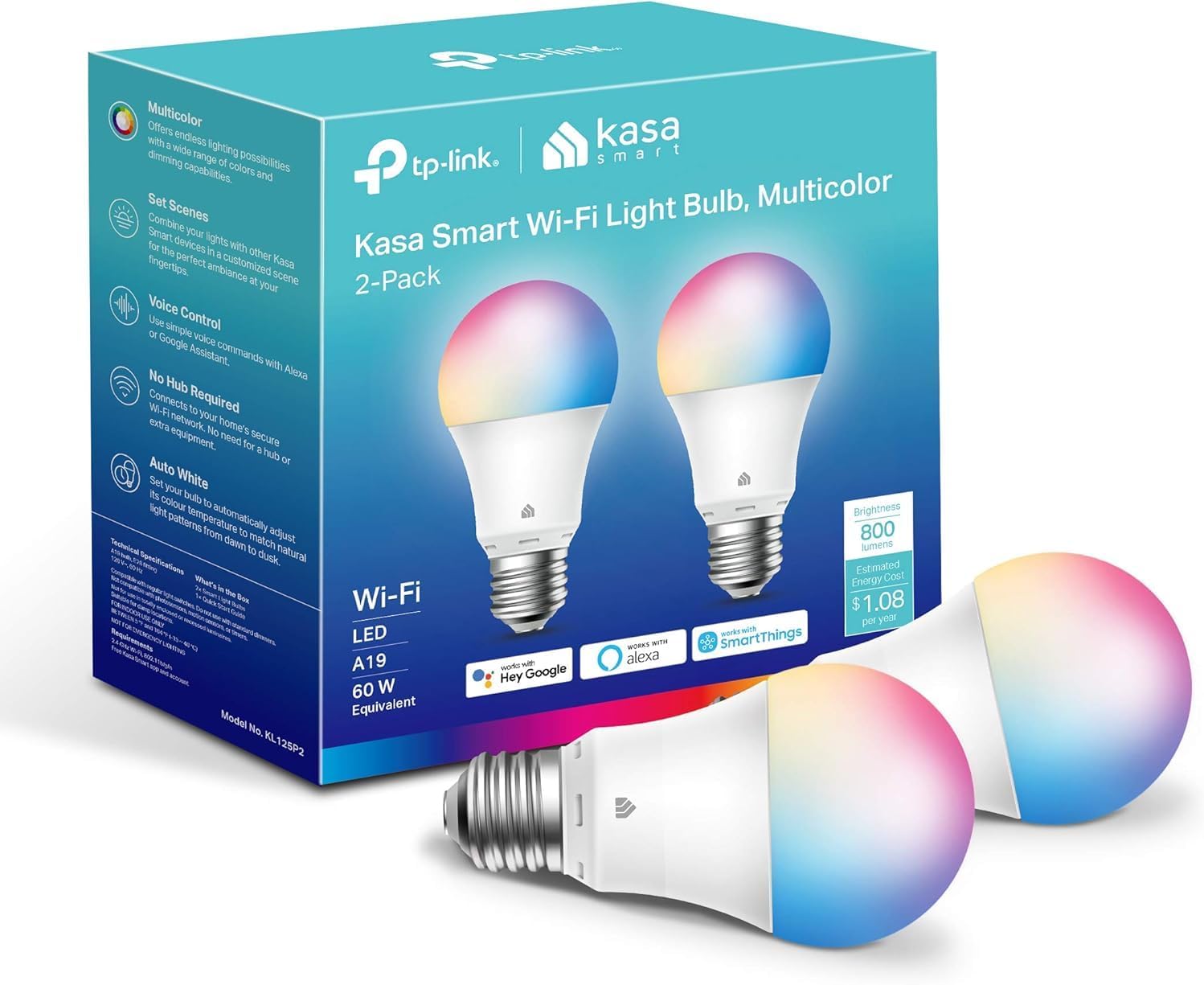
Dimmer switches or smart bulbs let one ambient source serve movie night and cleaning day. Aim for warm white in living spaces; cool daylight bulbs make evenings feel clinical.
Kitchen Formula
Kitchens need honest task light on counters. Under-cabinet LED strips are the highest-impact upgrade most people skip. Pair them with ambient ceiling light and, if you have a peninsula, one pendant or a lamp on a nearby surface for evening softness.
Avoid relying only on recessed cans aimed at the floor. Shadows on countertops cause fatigue and chopping mistakes.
Bedroom Formula
Bedrooms should avoid a single harsh overhead as the only option. Use bedside lamps with opaque shades for task reading, a soft ambient source (flush mount on a dimmer or a torchiere), and optional accent such as a LED strip behind the headboard.
Place switches or plugs so you can turn lights on at the door and off from bed. That small convenience changes how the room feels every night.
Bathroom Formula
Side lighting at the mirror beats a single fixture above it. If hardwiring is not possible, look for plug-in vanity bars or well-placed sconces with careful cord management. Add a soft night light pathway so bright overheads are not required at 2 a.m.
Entry and Hallways
Entries need a welcoming ambient fixture plus a console lamp if there is a surface. Hallways benefit from sconces or a repeated flush-mount rhythm so you are not walking into a cave between rooms.
Budget Strategy That Still Looks Expensive
- Fix bulb color temperature first — matching warmth across fixtures is free impact.
- Buy one excellent floor lamp before three mediocre ones.
- Use plug-in sconces and cord covers where landlords limit hardwiring.
- Put accent lights on smart plugs so scenes are one tap.
- Hide glare: shades matter more than the fixture brand.
Common Mistakes
Matching every lamp like a showroom set can feel stiff. Mixing metals is fine if finishes repeat at least twice in the room. Skipping dimmers forces you to choose between cave and operating room. Placing all lamps at the same height creates a flat horizon — vary elevations.
A Weekend Lighting Reset
Walk each room at dusk with all lights off, then on one at a time. Note dark corners and glare spots. Move lamps before you shop. Then buy only what fills a documented gap. Most homes need fewer new fixtures than owners expect — they need better placement and warmer bulbs.
Layered lighting is not a luxury finish. It is how ordinary rooms start feeling designed.
Choosing Bulbs Without the Marketing Fog
Ignore vague labels like “soft white” from mixed brands. Read the Kelvin number and the CRI (color rendering index) when available. For living rooms and bedrooms, 2700K–3000K feels natural at night. Kitchens and laundry can tolerate 3000K–3500K if you want clearer task vision. A CRI of 90+ makes wood, food, and skin tones look less muddy.
Buy a small mixed pack first and test in the actual fixture. Shade materials change everything: a linen shade on a bright LED can look elegant, while the same bulb in a clear glass globe may glare.
Layering on a Timeline
Week 1: match bulb temperatures and add one floor lamp to the darkest seating corner. Week 2: solve the primary task surface (reading chair, kitchen counters, desk). Week 3: add a single accent — a picture light, a plant uplight, or a shelf LED. Week 4: put ambient and accent on dimmers or scenes.
This sequence prevents impulse buying and forces each purchase to answer a real gap.